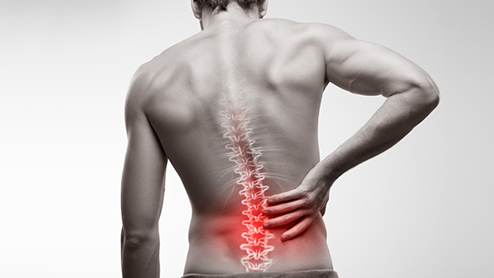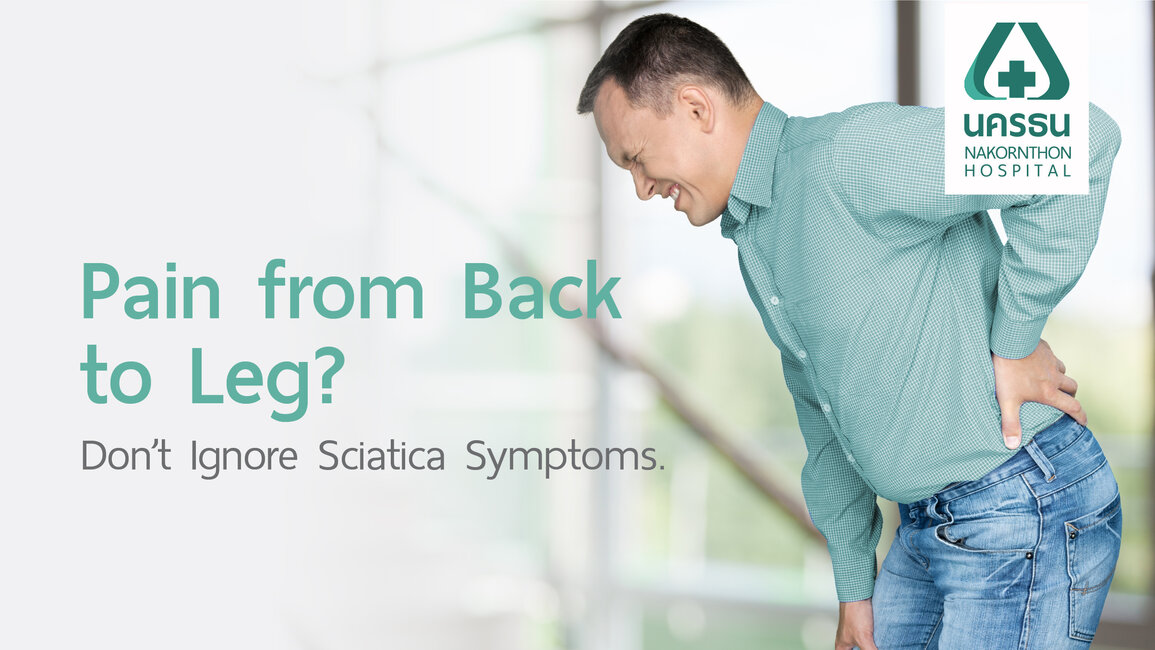
If you experience recurring back pain that radiates down your legs, this could be a sign of a more serious spinal condition, such as sciatica. Sciatica occurs when a herniated disc or spinal degeneration compresses the sciatic nerve, causing pain that extends from the lower back down the legs.
Although general back pain often resolves within 2-4 weeks, if the pain comes and goes with episodes of leg pain, it may indicate a more complex issue within the spine. Conditions like a herniated disc or spondylosis can not only cause significant discomfort but also severely impact your daily life. If left untreated, these symptoms could worsen over time, making early diagnosis and treatment crucial for better spinal health.
Table of Contents
What is Sciatica?
Sciatica refers to sciatic nerve pain that starts in the lower back or waist and radiates down to the hip, potentially affecting one or both legs. The pain is often deep, without a specific tender spot, and can cause numbness and weakness in the legs. Initially, the pain may be related to certain positions or activities, such as prolonged sitting, standing, or driving. After resting, the pain may subside. However, as the pressure on the sciatic nerve increases, the pain may become constant, affecting both the back and legs and making it difficult to straighten the leg. Sciatica is often caused by conditions like a herniated disc or spinal degeneration, and it's important to seek treatment to prevent the symptoms from worsening.
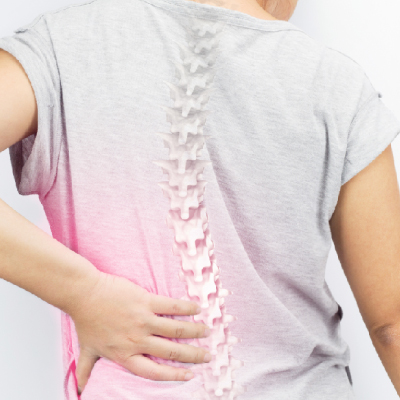
In some cases, spinal alignment issues such as scoliosis can also contribute to sciatica by altering the natural curve of the spine and increasing nerve compression.
Causes of Sciatica
The common causes of sciatica include:
- Muscle Inflammation : When the lower back muscles are injured from repetitive movements or accidents, they can become severely tight and tense. This may lead to pain that radiates to the hip and down the leg, but usually without numbness or weakness in the leg.
- Herniated Disc Pressing on Nerves : A herniated disc occurs when the disc bulges out and presses on the spinal nerves near the opening of the vertebrae. This can cause sharp, shooting pain that radiates from the back or waist down to the leg. The pain is often felt when sitting or bending forward, which places pressure on the disc. This condition is common among working adults.
In more advanced cases, especially when symptoms persist despite conservative treatment, surgical intervention such as TLIF (transforaminal lumbar interbody fusion) may be considered to relieve pressure on the nerve. - Degenerative Disc Disease : Age-related degeneration of the spinal joints can cause bone spurs or displacement, which can press on the nerves and lead to pain radiating down the leg. This is typically seen in older adults.
- Sciatic Nerve Injury : An injury to the sciatic nerve itself can also cause sciatica. This may occur from trauma, pressure, or a herniated disc, leading to pain, numbness, or weakness in the leg.
Symptoms of Sciatica
Sciatica refers to pain that originates in the lower back or hip and radiates down the back of the leg. In some cases, the pain can extend all the way down to the calf or foot. The pain typically follows the path of the sciatic nerve, which starts at the L4-L5 vertebrae and runs through the hip, butt pain, and down the leg to the foot. When the sciatic nerve is irritated or compressed, it can cause shooting pain, numbness, or tingling sensations that radiate down the leg.
Patients may experience pain from the butt to the thigh and potentially to the foot, or they may feel numbness, burning sensations, or sharp, electric-like pains. In more severe cases, prolonged nerve compression may lead to weakness in the leg muscles or muscle atrophy. Typically, the pain affects one leg and is linked to issues such as a herniated disc pressing on the nerve or degenerative spinal conditions in older adults.
When to see a doctor
If you experience back pain radiating down the leg (sciatica) that persists for more than two weeks, it’s important to consider that the condition may be more serious than it appears. If you experience any of the following symptoms along with the pain, you should see a doctor immediately for a thorough examination and diagnosis:
- Severe pain at night
- Inability to move the ankle
- Intense leg pain, numbness, or weakness
- Leg atrophy or shrinking
- Loss of appetite and rapid weight loss
- Difficulty controlling bowel or bladder function, or inability to urinate
These symptoms may indicate a more serious underlying issue, and early medical intervention can help prevent further complications.

How is Sciatica diagnosed?
To diagnose sciatica, a doctor will primarily rely on a detailed medical history and physical examination. In some cases, additional tests may be performed to confirm the diagnosis, such as a CT scan (computed tomography) or MRI (magnetic resonance imaging). These diagnostic tools help provide a clearer picture of the underlying cause of the pain and allow the doctor to determine the best course of sciatica pain treatment.
Sciatica Treatment
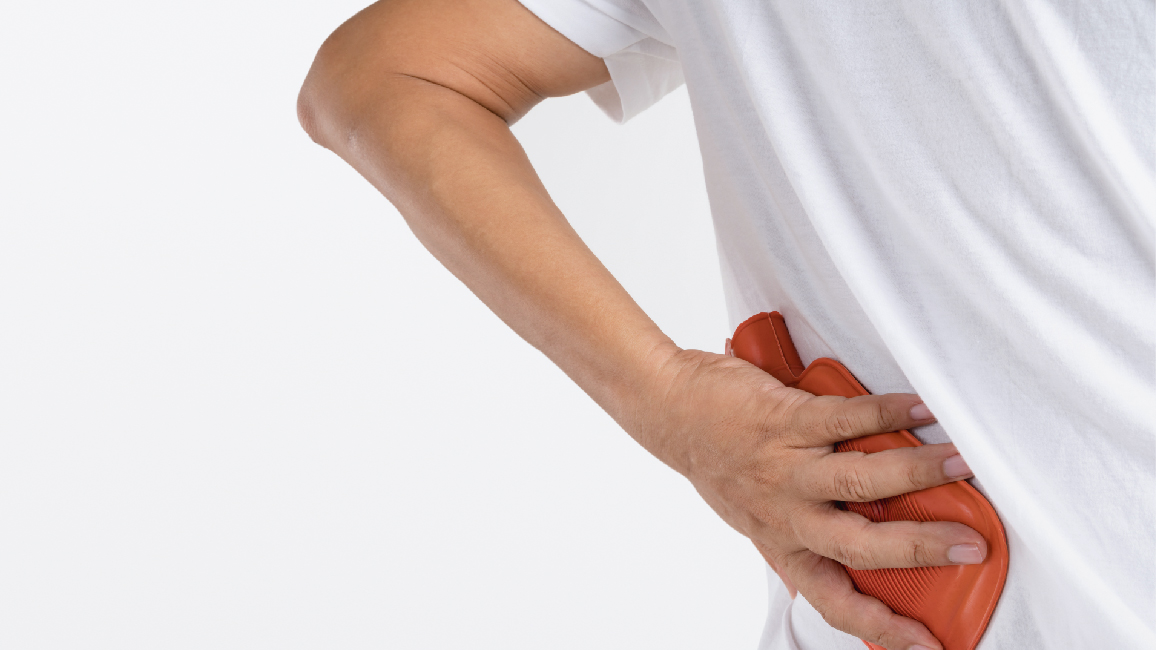
Treatment for sciatica can range from conservative methods, such as medication, injections, and physical therapy, to more invasive options like surgery. The appropriate treatment plan depends on the severity of the condition and the impact it has on the patient's quality of life. Here's a breakdown of the different approaches based on the severity of sciatica:
Self Treatment
If the pain isn’t severe, there’s no immediate need to see a doctor. You can try the following self-care methods first:
- Avoid Aggravating Movements: Steer clear of positions that trigger pain, such as sitting for extended periods or bending to lift objects.
- Ice and Heat Therapy: Use ice for the first 1-2 days to reduce inflammation. After that, switch to a warm compress to relax muscles and improve blood flow.
- Pain Relief Medications: Over-the-counter pain relievers like ibuprofen or aspirin can help manage pain and reduce inflammation.
- Gentle Stretches: Perform stretches, such as pulling the knee of the affected leg toward your chest while lying on your back. Hold for 20-30 seconds and repeat 3-5 times per leg to ease muscle tension and reduce pressure on the sciatic nerve.
If symptoms worsen, such as increased pain, leg weakness, or numbness, or if the condition doesn’t improve after 1-2 weeks, consult a doctor.
Conservative Treatment for Sciatica
Conservative treatment for sciatica focuses on managing pain through medication, physical therapy, and lifestyle adjustments. If the pain persists and does not improve within 3 months, additional treatments may be considered, including:
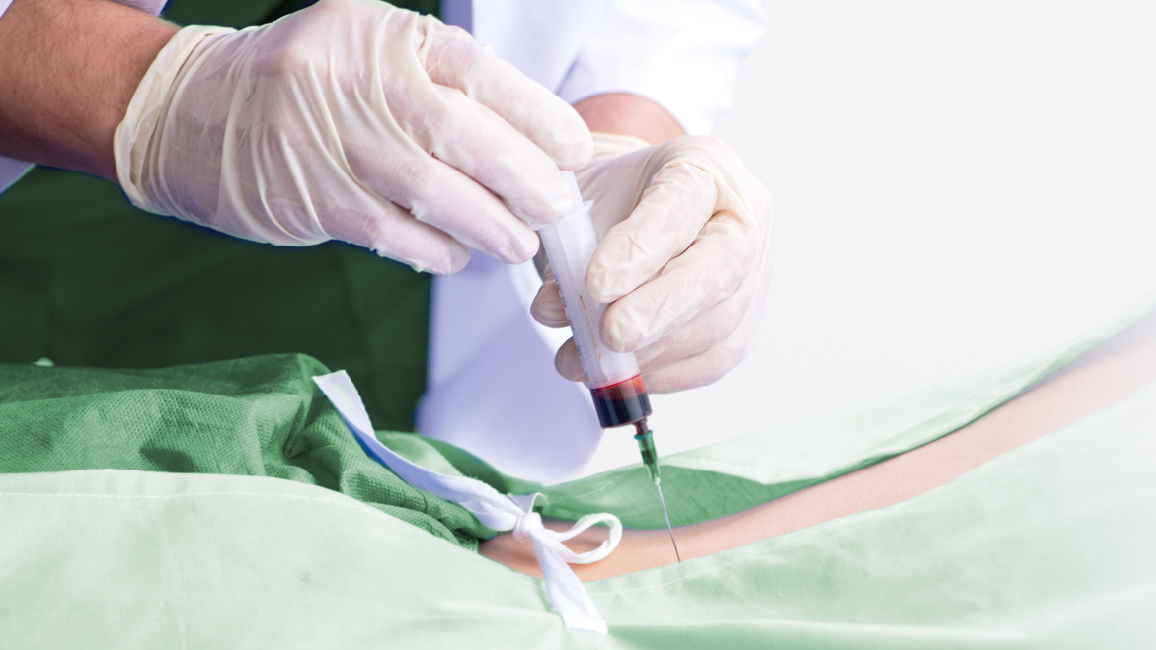
- Spinal Injections: Injections into the spinal canal can help reduce chronic back pain, decrease inflammation, and alleviate nerve compression caused by a herniated disc pressing on the sciatic nerve.
- Radiofrequency Ablation (RFA): This procedure uses radiofrequency waves to target the affected spinal joints, the pelvic joints, or the nerves causing the pain. The heat from the radiofrequency energy helps reduce inflammation and relieve pain in the neck and back.
These treatments aim to manage the pain and improve the patient's quality of life when conservative methods are not sufficient.
Surgical Treatment for Sciatica
Surgical treatment for sciatica is often considered when other methods do not provide relief. In cases of herniated discs pressing on the sciatic nerve, minimally invasive surgery through an endoscope can be performed. The procedure involves inserting a high-resolution endoscope through a small incision in the skin to reach the spine. This approach offers several benefits:
- Smaller Incision: The surgery is performed through a tiny incision, reducing the size of the surgical wound.
- Less Pain and Faster Recovery: The smaller incision reduces post-surgery pain and speeds up the recovery process.
- Lower Risk of Infection: With a minimally invasive approach, the risk of infection is minimized.
- Less Tissue Damage: The procedure minimizes damage to surrounding healthy tissue.
This technique provides a safer and quicker recovery, allowing patients to return to daily activities sooner while relieving sciatic pain.
What are the complications of Sciatica?
While most hip or back pain, including sciatica, can resolve on its own, persistent and chronic pain may indicate complications. When the sciatic nerve is compressed for an extended period, it can lead to various severe symptoms, including:
- Intense pain, particularly at night
- Difficulty with ankle movements (unable to raise the foot)
- Clear signs of leg pain, numbness, and weakness Atrophy or noticeable shrinkage of the leg muscles
- Unexplained weight loss and loss of appetite Inability to control bowel or bladder functions, or difficulty urinating
If any of these symptoms are present, it’s crucial to seek immediate medical attention to avoid further complications and to receive appropriate treatment. Sciatica can lead to severe long-term issues if left untreated.
Conclusion
If you're experiencing sciatica symptoms, it's crucial to stop any activities immediately and observe your condition. If the pain persists even after a period of rest, or if you're experiencing severe pain Along with numbness or weakness in your leg, it's highly recommended to seek medical attention from a specialist.
t the Spine Center of Nakornthon Hospital, we are dedicated to providing accurate diagnosis and effective treatment for sciatica and related back pain. We utilize advanced surgical technologies, including high-precision endoscopic techniques, which result in smaller incisions, less blood loss, reduced muscle damage, and faster recovery compared to traditional surgery. This ensures you get back to your routine swiftly without the need for prolonged hospitalization.
The hospital is well-equipped with state-of-the-art medical tools, providing comprehensive care in a convenient and efficient manner. Our goal is to provide high-quality, rapid recovery for international patients living in Thailand who seek minimal hospital stays and optimal healing. Choose Nakhon Thon Hospital for an experience that blends expertise, cutting-edge technology, and fast recovery times for your sciatica treatment.
For more information, please contact:
- - Website : /en
- - Facebook : Nakornthon Hospital - International Patient
- - Line : @nakornthoninter
- - Tel: 02-450-9999 (Available 24 hours)
Online Consultation
Medical Team Spine Center