Don’t Ignore Chronic Back Pain – It Could Be a Sign of a Herniated Disc
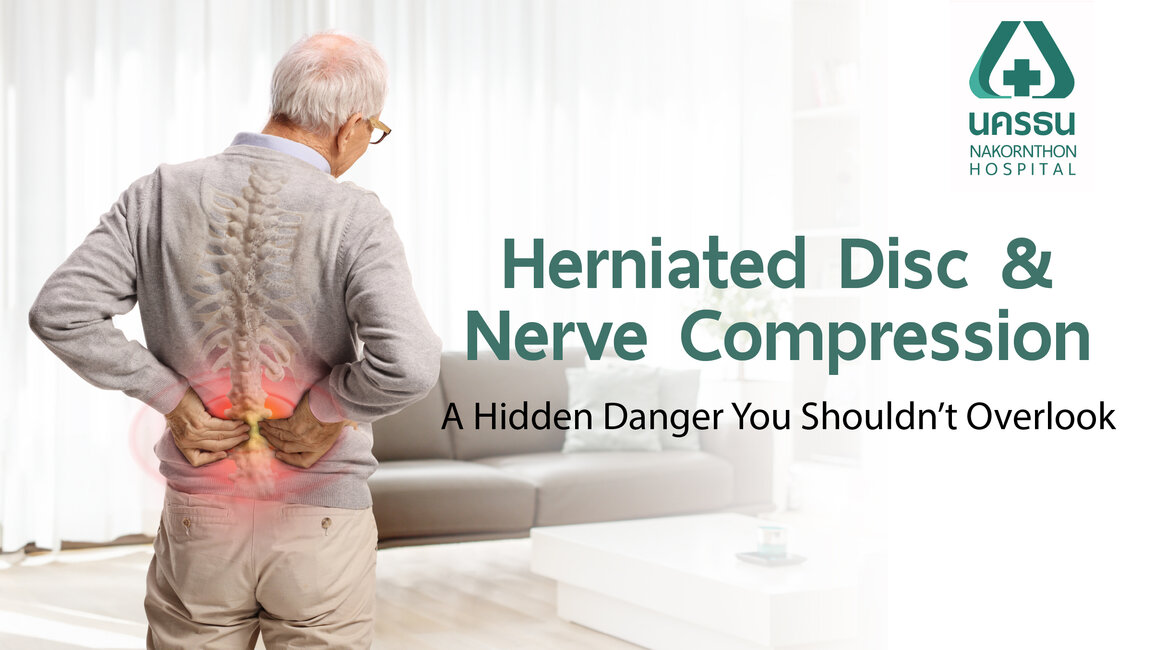
Chronic and severe back pain should never be ignored — it may be a warning sign of a herniated disc. Typically, back and neck pain can improve on its own within 2 to 4 weeks. However, if you experience radiating pain down your leg, numbness, muscle weakness, or difficulty controlling your legs, or even issues with bladder and bowel control, it is critical to seek medical attention immediately. Ignoring these symptoms could lead to serious complications, including paralysis. Consulting with a spine specialist about your herniated disc can help you address these issues effectively and prevent further damage.
Table of Contents
The Dangers of a Herniated Disc

A herniated disc is primarily caused by the degeneration of the intervertebral disc due to prolonged, repetitive stress on the spine. Activities such as bending over to lift heavy objects, frequently bending and straightening the back, or accidents that directly impact the spine (such as twisting while bending) can lead to this condition. Even the natural aging process can contribute to the disc's fibers tearing, causing the disc to bulge or herniate, pressing against the nerves behind it. Additionally, spinal conditions like Scoliosis—a sideways curvature of the spine—can exacerbate the likelihood of a herniated disc by placing uneven pressure on the spinal discs, which can accelerate their degeneration and increase the risk of nerve compression. In the past, this condition was more commonly seen in older adults, but nowadays, it is becoming increasingly prevalent in working-age individuals, particularly office workers who sit for long periods without taking breaks. Prolonged sitting in one position causes the spine’s structural integrity to weaken, which can lead to nerve compression. When the spine collapses or the disc bulges and compresses the nerves, it can result in chronic back pain, frequent numbness in the legs, calves, and feet, or sensations similar to tingling or cramping. In severe cases, it can cause leg muscle weakness, inability to lift the ankle or toes, and in some cases, difficulty controlling bowel or bladder function.
How Does Herniated Disc Cause Back Pain
Causes of Herniated Disc Compressing Nerves:
- Spinal Degeneration:
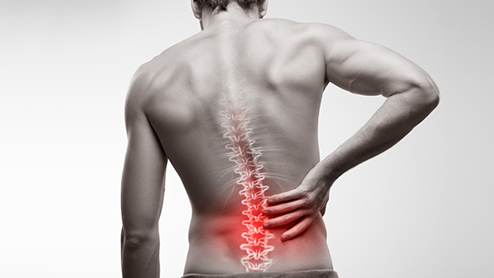
Disc degeneration: Over time, the water content in the spinal discs decreases, leading to loss of weight-bearing capacity. This accumulation of wear and tear can cause the outer layer of the disc to tear, allowing the gel-like material inside the disc to leak out, resulting in nerve compression. In many cases, this may lead to a bulging disc, where the disc protrudes beyond its normal boundary and puts pressure on surrounding nerves.
Facet joint degeneration: Degeneration of the facet joints can cause instability in the vertebral joints. The body compensates by forming bone spurs, and as these spurs grow, they may compress the nerves. This, along with bulging of the intervertebral disc or adjacent tissues, may further aggravate nerve compression. - Spinal Displacement: This occurs when one vertebra moves forward or backward beyond its normal position, often seen in the lumbar region between the 4th and 5th vertebrae. This condition can cause localized lower back pain, along with radiating pain down one leg due to nerve compression, especially after lifting heavy objects. The pain worsens with bending, sitting, coughing, sneezing, or straining. If left untreated, muscle weakness in the legs may develop. In some cases, spinal displacement can coexist with a bulging disc, intensifying the symptoms.
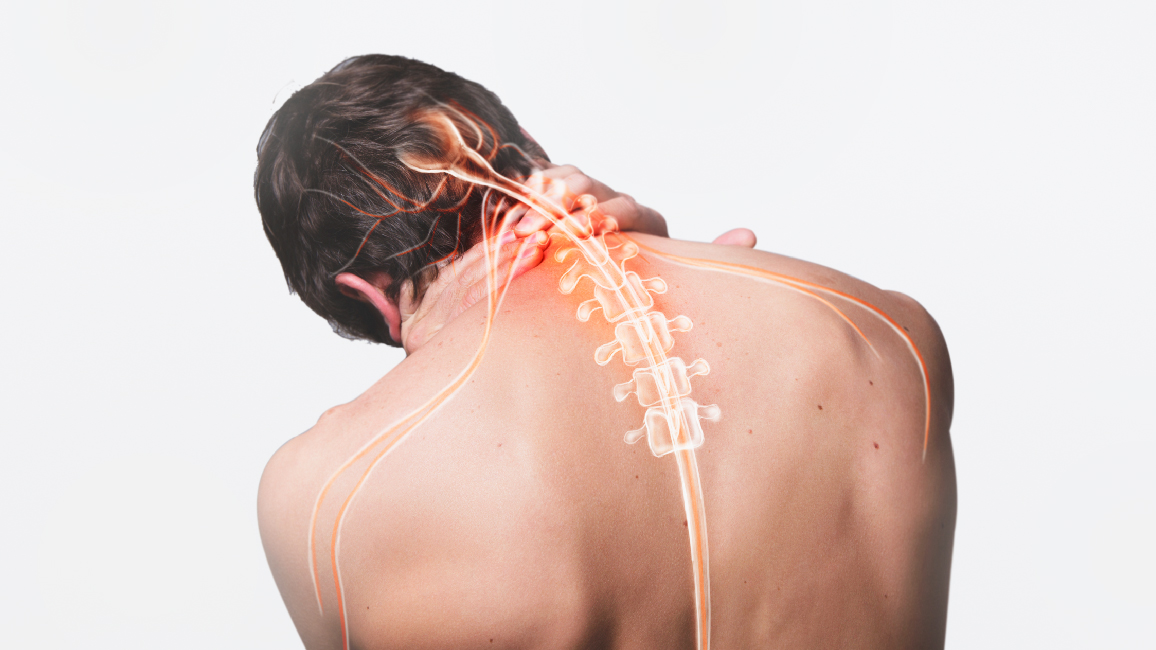
- Cervical Spine Degeneration: This condition leads to the formation of bone spurs and thickening of ligaments, which narrow the spinal canal. This narrowing can compress the nerves or spinal cord, resulting in nerve compression. It is often associated with neck pain radiating down the arms, as well as weakness and numbness. Though commonly seen in the elderly due to aging, it is increasingly observed in working-age individuals due to lifestyle factors. In advanced stages, bulging of the cervical disc can further contribute to spinal cord compression.
How Pain Differs in a Herniated Disc
Early Stage:
In this stage, the spinal disc begins to degenerate, leading to chronic back pain. Initially, the pain may come and go, but over time, it becomes more persistent and intense. If the pain lasts for more than 2 weeks, it is important to consult a doctor and not ignore the herniated disc symptoms. In some cases, this pain may radiate down the leg, a condition known as sciatica, which can worsen over time.
Moderate Stage:
If the condition from the early stage is ignored, the disc may start to slip or bulge out, leading to radiating pain down the back or legs. The pain can extend to the legs or feet, and some patients may also experience numbness. This is the stage where sciatica is most commonly observed, as the herniated-disc presses on the sciatic nerve, leading to sharp or burning pain that can radiate down the leg.
Severe Stage:
As nerve compression intensifies, pain, numbness, and muscle weakness increase. There may also be severe neurological issues such as loss of control over bladder and bowel functions. Walking may become difficult, with problems maintaining balance, stiff legs, and mobility issues. This stage carries a high risk of injury and disability. The pain and symptoms become so severe that the patient is unable to carry out daily activities, and there is a possibility of paralysis. In this stage, the intensity of Sciatica pain may also escalate significantly.
If you experience any of these symptoms, it is crucial to seek medical attention promptly to avoid complications and ensure a faster recovery. Delaying treatment or pursuing incorrect methods can make the condition harder to treat and lengthen recovery time.
How is a Herniated Disk Diagnosed
A doctor can diagnose a herniated disc primarily through a patient’s medical history and physical examination. Additional tests may be conducted to confirm the diagnosis, such as a CT scan (computed Tomography) or an MRI (magnetic resonance Imaging). These imaging techniques help identify the underlying cause of back pain and assist in confirming the presence of a herniated disc. Additionally, conditions such as spondylosis, a degenerative disease of the spine, can also be detected during these tests. Spondylosis can often coexist with a herniated disc, as the degenerative changes in the spine may contribute to the disc herniation or aggravate its symptoms, leading to increased pain and discomfort.

What is the Treatment for a Herniated Disk?
Treatment for a herniated disc depends on the symptoms, severity of nerve compression, and the duration of the condition. Generally, treatment can be divided into two main approaches.
Non-Surgical Treatment
Non-surgical treatment focuses on supportive care to relieve pain and inflammation, often through medications and physical therapy. This approach is typically the first line of treatment for a herniated disc. Some non-surgical methods include:
- Medications: Pain-relieving medications are used to reduce inflammation in the affected nerve, helping to alleviate pain and discomfort.
- Physical therapy: Aimed at helping the spinal disc return to its proper position, physical therapy exercises can strengthen the muscles around the spine and improve mobility.
- Epidural steroid injections: A combination of corticosteroids and local anesthetics is injected into the spinal canal or near the area of pain to reduce inflammation and relieve pain. This can also help in diagnosing the source of the pain.
- Radiofrequency Ablation (RFA): This method uses radiofrequency waves to deliver heat to specific nerves or joints causing pain in the back or neck. By targeting the nerves around the spine or pelvis, it reduces inflammation and provides relief from chronic pain.
These non-surgical methods are often effective for managing pain and may help patients avoid the need for surgery.
Surgical Treatment
Surgery is performed when the following indications are present: conservative treatment is unsuccessful, there is chronic pain, noticeable leg weakness, or loss of control over urination or defecation. The surgical approach is determined based on the specific condition and its severity, including:
- Endoscopic discectomy for herniated disc: This procedure is performed when a herniated disc compresses the nerve. The surgery is done using a high-definition endoscope inserted through a small incision in the skin to access the spine. This minimally invasive method results in a small surgical wound, less postoperative pain, a lower risk of infection, and reduced damage to surrounding healthy tissue. Patients typically recover quickly, with a short hospital stay, and can usually return home within 24 hours and resume normal activities soon after.
- Transforaminal Lumbar Interbody Fusion (TLIF): This surgery is used to treat spinal instability, degeneration, or vertebral collapse. It is suitable for patients with chronic or severe lower back pain or those showing symptoms of nerve compression from a herniated disc, such as weakness or urinary and bowel dysfunction.
- Anterior Cervical Discectomy and Fusion (ACDF): ACDF is used to treat cervical spine degeneration. It involves a small incision (approximately 3 cm) made at the front of the neck. The procedure is performed using a high-powered surgical microscope to relieve nerve and spinal cord compression by fusing the cervical vertebrae together. This is considered a minimally invasive surgery.
Get Herniated Disc Treatment With Us
If you are suffering from a herniated disc and looking for an effective solution, Nakornthon Hospital offers specialized treatments designed for rapid recovery. Whether you're currently residing in Thailand or planning to fly directly for specialized treatment, Nakornthon Hospital is committed to providing world-class medical care with a streamlined and efficient process, ensuring that patients experience high-quality care and a fast recovery. Our advanced medical equipment and comprehensive services ensure that you won’t need to stay hospitalized for extended periods, allowing you to recover quickly and return to your routine without unnecessary delays.
At Nakornthon Hospital, we understand the importance of personalized treatment. Our Spine Center, with its highly experienced medical professionals, works together to diagnose the root cause of your discomfort and provide the most effective treatment options tailored to your specific needs. We use the latest technology and employ a team-based approach to ensure that you receive the best care possible. If needed, we offer advanced surgical procedures such as TLIF (Transforaminal Lumbar Interbody Fusion), which is a highly effective method for treating severe herniated discs and other spinal issues, promoting long-term stability and faster recovery.
If you are experiencing chronic neck or back pain, numbness, or muscle weakness, it is essential to seek medical attention before these symptoms become more severe and lead to long-term complications.
Don’t wait until the situation worsens. Visit us at Nakornthon Hospital for your spine care needs, and let our experts help you achieve a faster, healthier recovery.
For more information, please contact:
- - Website : /en
- - Facebook : Nakornthon Hospital - International Patient
- - Line : @nakornthoninter
- - Tel: 02-450-9999 (Available 24 hours)
Online Consultation
Medical Team Spine Center



Dr. Win Theerapancharoen
Spine Center
Neurological Surgery|Interventional Neuroradiology
Make an Appointment