Hysterectomy: A Treatment for Gynecological Conditions
Article by : Dr. Jutaporn Uthaisan20 August 2025
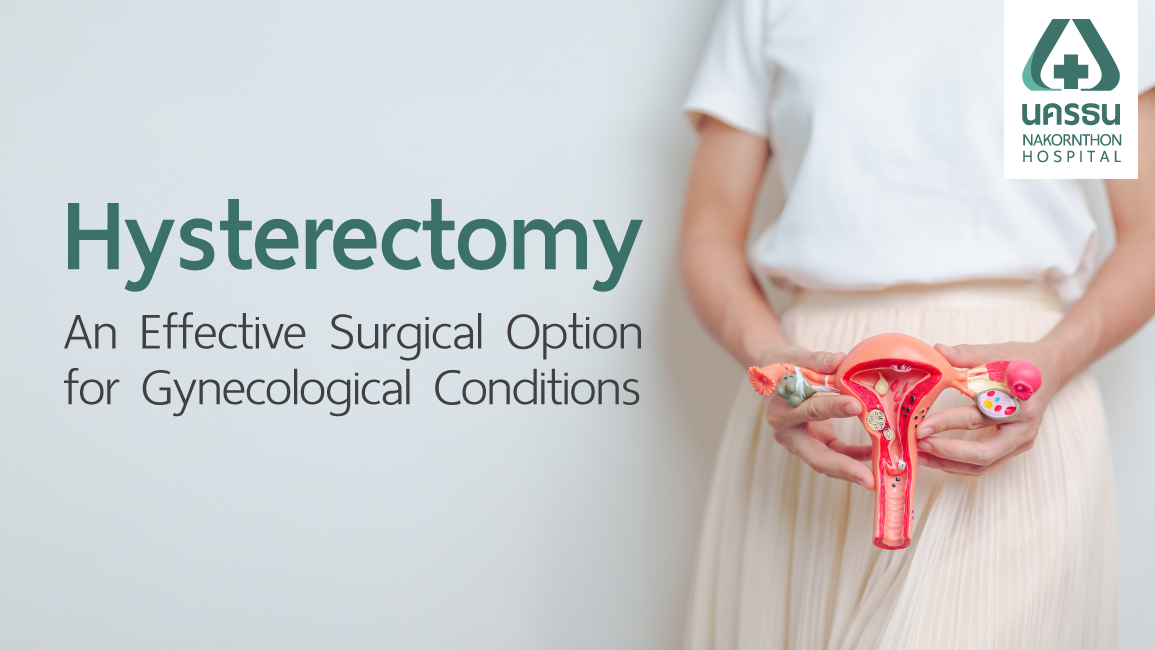
A hysterectomy is a surgical procedure to remove the uterus. It is a crucial treatment for various female health conditions, ranging from benign problems to cancer. There are several types of hysterectomy procedures available today. Doctors select the most appropriate method based on factors such as the size and characteristics of the condition and the patient's overall health. Understanding the reasons, procedures, potential side effects, and postoperative care is essential.
Table of Contents
What is Hysterectomy?
A hysterectomy is typically considered when other treatments fail or when uterine conditions significantly impact a woman’s quality of life. Conditions that may require a hysterectomy include:
- Uterine fibroids
- Endometriosis or chocolate cysts
- Abnormal uterine bleeding
- Uterine prolapse
- Gynecologic cancers, such as uterine, cervical, ovarian, or fallopian tube cancer
- Chronic pelvic pain with no identifiable cause
- Chronic lower abdominal pain
- Complications from pregnancy, such as hemorrhaging
Types of Hysterectomy
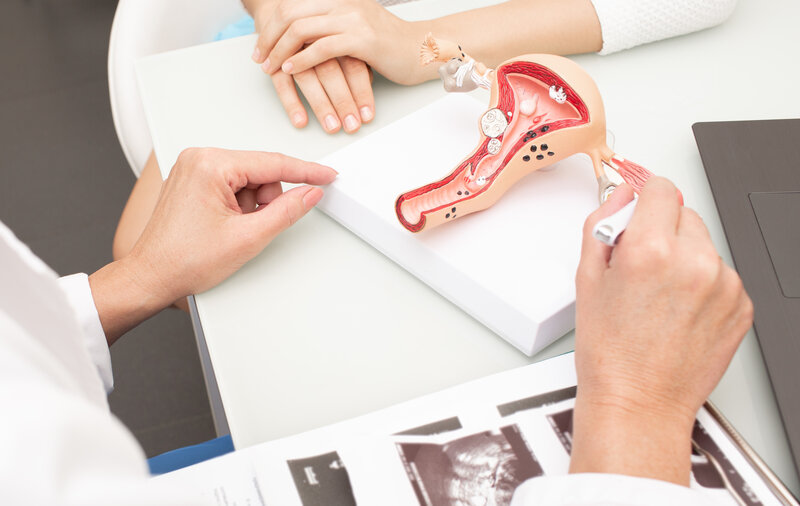
Several surgical options are available, and the choice depends on various factors. Common types of hysterectomy include:
Laparoscopic Hysterectomy
This minimally invasive method uses a camera and small instruments inserted through 3–4 tiny incisions in the abdomen (5–10 mm in size). These tools are used to cut, suture, and stop bleeding as effectively as open surgery.
Once the uterus is removed, it may be extracted through the vagina or, in some cases, through an abdominal incision that may be slightly enlarged (from 1 cm to 2–3 cm) for safety. This technique offers high safety, fewer complications, minimal scarring, less pain, faster recovery, and patients can walk within a day and go home within 2–3 days.
Abdominal Hysterectomy
This traditional approach remains necessary in complex or severe cases, even though newer techniques like laparoscopic hysterectomy are available. The uterus is removed through an abdominal incision, typically a horizontal bikini cut or vertical incision, depending on the uterine size and condition. It’s suitable for large uteri, complex pathologies, or when detailed examination of other abdominal organs is needed.
Why do I need a hysterectomy?
A hysterectomy is often necessary to treat serious gynecological conditions that do not respond to medications or less invasive surgeries. It may also be required to protect long-term health.
Common indications include:- Uterine fibroids (Leiomyomas)
- Severe endometriosis
- Adenomyosis (endometrial tissue in uterine muscle)
- Chronic and heavy abnormal uterine bleeding (AUB)
- Pelvic organ prolapse
- Endometrial cancer
- Cervical cancer (in some cases)
- Ovarian cancer (with uterus removal)
- Fallopian tube cancer (with uterus removal)
- Uterine sarcoma
- Severe pelvic inflammatory disease (PID)
- Uncontrolled postpartum hemorrhage
- Abnormal placental attachment (Placenta accreta, increta, percreta)
Possible Symptoms After a Hysterectomy
Post-operative symptoms after a hysterectomy vary based on the surgical method, extent of surgery, pre-op health, and recovery ability. Common short-term symptoms (1–2 weeks post-op) include:
- Pain at the incision site, possibly radiating elsewhere; managed with painkillers
- Vaginal discharge or light bleeding (seek medical help for heavy bleeding)
- Bloating and gas due to bowel disturbance
- Nausea and vomiting (usually improves in 1–2 days)
- Fatigue
- Difficulty urinating or mild burning during urination
Long-term symptoms (after 2 weeks) may include:
- Hot flashes, night sweats, vaginal dryness (especially if both ovaries are removed)
- Mood changes, particularly in cases of early menopause or organ loss
- Urinary and bowel issues

How to Take Care of Yourself After a Hysterectomy

Basic post-op care after a hysterectomy includes:
- Keep the incision dry and clean
- Resume light daily activities within 2 weeks, but avoid heavy work or exercise
- Avoid strenuous activities for at least 1 month to allow complete healing
- Watch for infection signs (swelling, bleeding, discharge from the wound) and consult your doctor if symptoms arise
Since symptoms and recovery are personal, always consult your surgeon if you experience unusual or concerning issues.
Can you have sex after a Hysterectomy?
After a hysterectomy, sexual activity should be avoided for 6–12 weeks post-op or longer, depending on healing. Early intercourse may risk wound rupture or vaginal tearing. If you have questions or concerns, consult your surgeon for advice.
Hysterectomy at Nakornthon Hospital
A hysterectomy and ovary removal are major medical decisions aimed at treating uterine conditions. Consulting a specialist to understand the reasons, benefits, risks, and treatment alternatives is critical to making an informed choice. The Women’s Health Center at Nakornthon Hospital offers expert consultation, advanced diagnostic and surgical services, and compassionate care tailored to each patient’s needs.
For more information, please contact:
- - Website : /en
- - Facebook : Nakornthon Hospital - International Patient
- - Line : @nakornthoninter
- - Tel: 02-450-9999 (Available 24 hours)

Free Online Consultation
Medical Team Women Health Center

Dr. Suttanaratt Apiwantana
Women Health Center
Obstetrics and Gynaecology|Maternal Fetal Medicine
Make an Appointment

Dr. Theethat Mongkornthong
Women Health Center
Obstetrics and Gynaecology|Gynaecological Oncology
Make an Appointment


Dr. Dennopporn Sudjai
Women Health Center
Obstetrics and Gynaecology|Maternal Fetal Medicine
Make an Appointment

Health Articles
-02.jpg)



Packages / Promotions