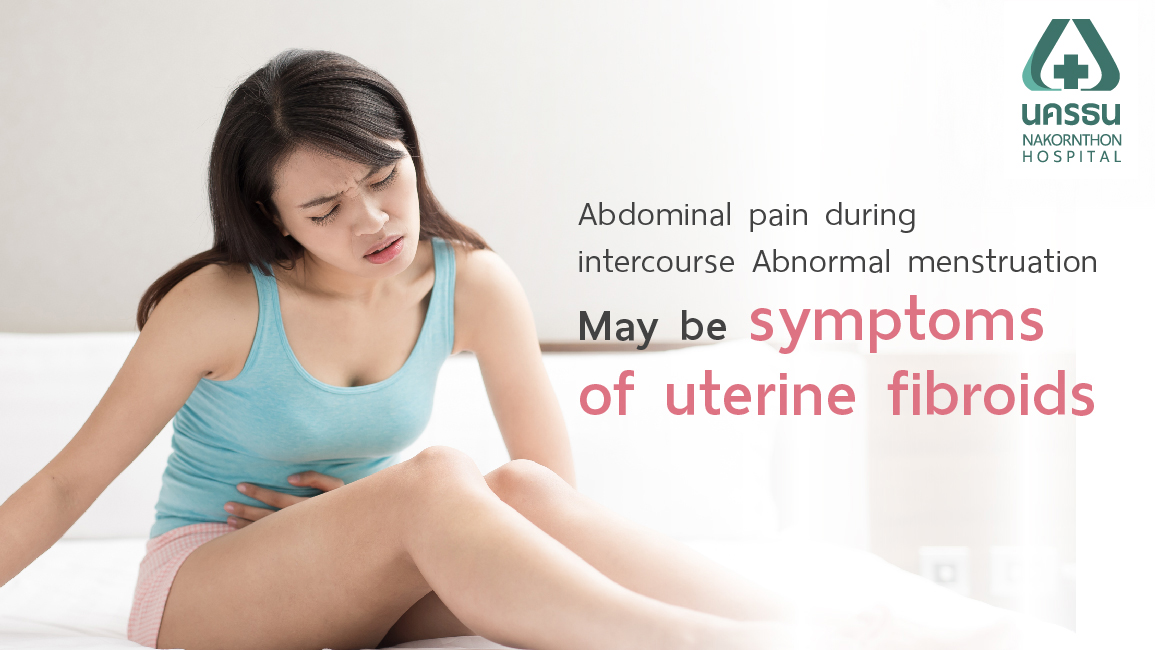
Uterine fibroids are a highly common condition affecting approximately 25% of women aged 35 and above, and are found in 1 out of 3 women of reproductive age. These fibroids can appear in any location within the uterus, varying in size, and may occur as a single growth or multiple growths. Some types grow slowly, while others develop rapidly.
What's concerning is that many women are unaware they belong to a risk group or don't realize they have this condition. This is because uterine fibroids often don't present any clear symptoms. Most women discover they have fibroids incidentally during annual health checkups or when consulting doctors for other conditions.
Table of Contents
What are Uterine fibroids?
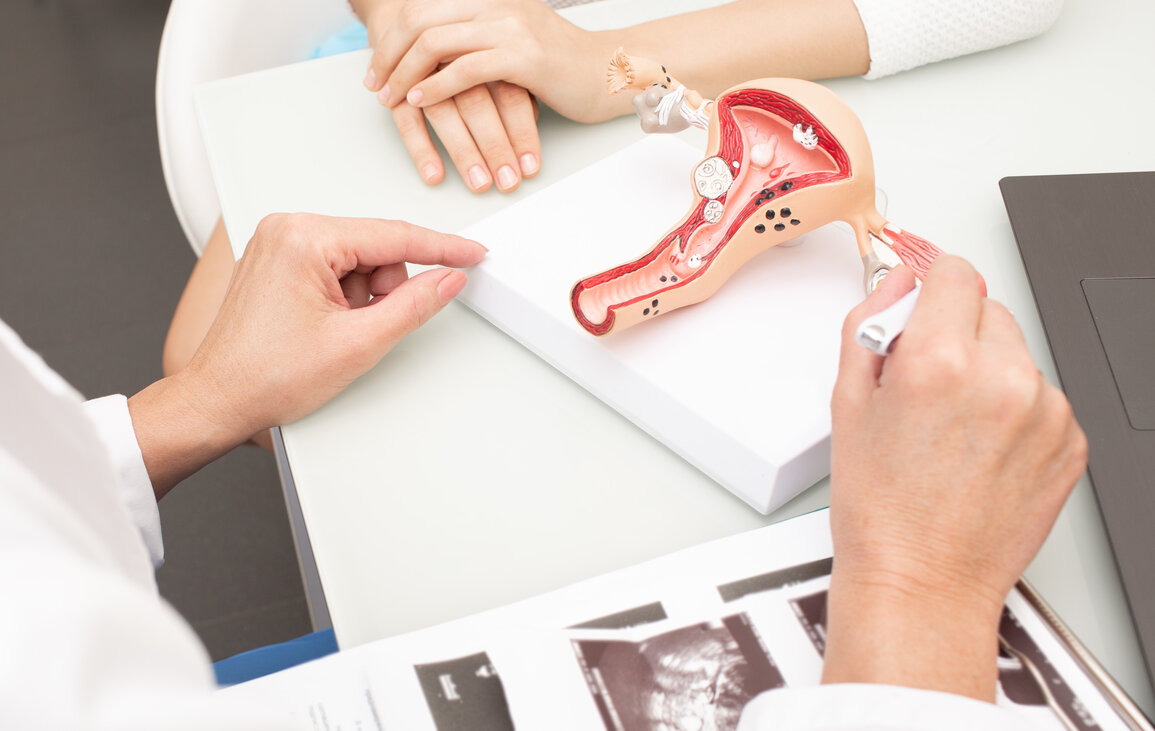
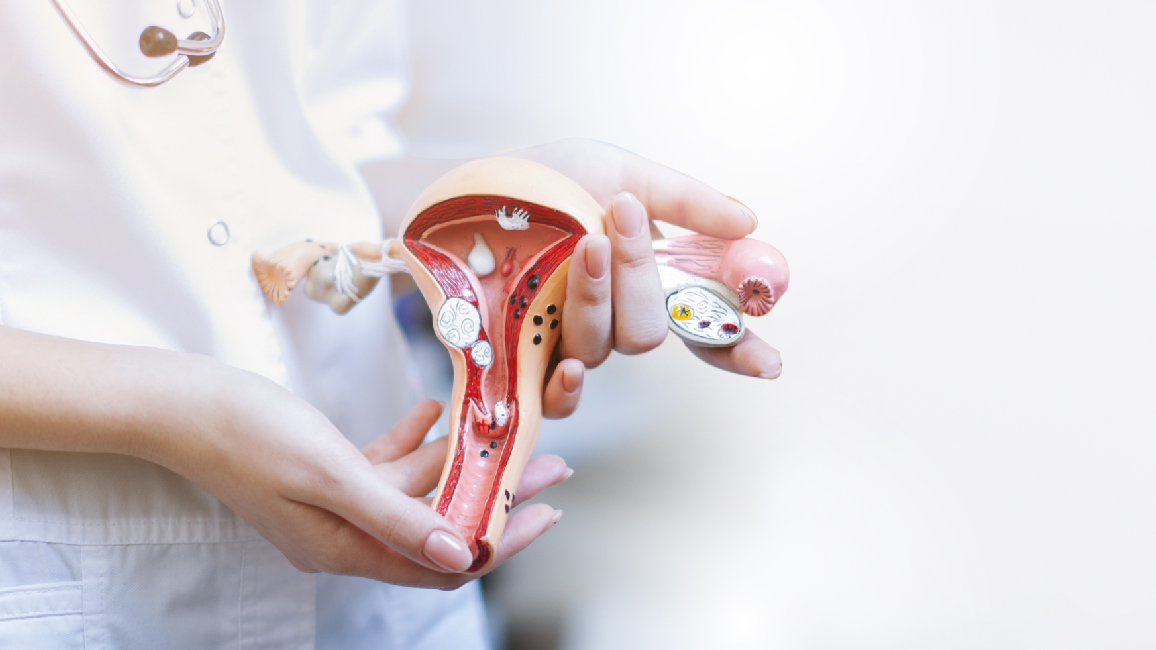
Uterine fibroids (myoma uteri) are non-cancerous growths that develop in the uterine muscle. They are a common condition among women of reproductive age, especially those between 30-40 years old. These growths result from abnormal growth of uterine muscle cells and vary in size and number from patient to patient. Most fibroids are benign (non-cancerous).
What causes Uterine fibroids?
The exact cause of uterine fibroids remains unknown in medical science, and they are not related to any infectious disease. However, genetic factors play a role, and there is a significant relationship with the estrogen hormone produced by the ovaries. This explains why women of reproductive age have a higher rate of uterine fibroids and why fibroids often shrink after menopause. These growths are typically found in women who have had their menstrual cycles for approximately 3, 5, or 10 years before fibroids are detected.
Types of Uterine fibroids
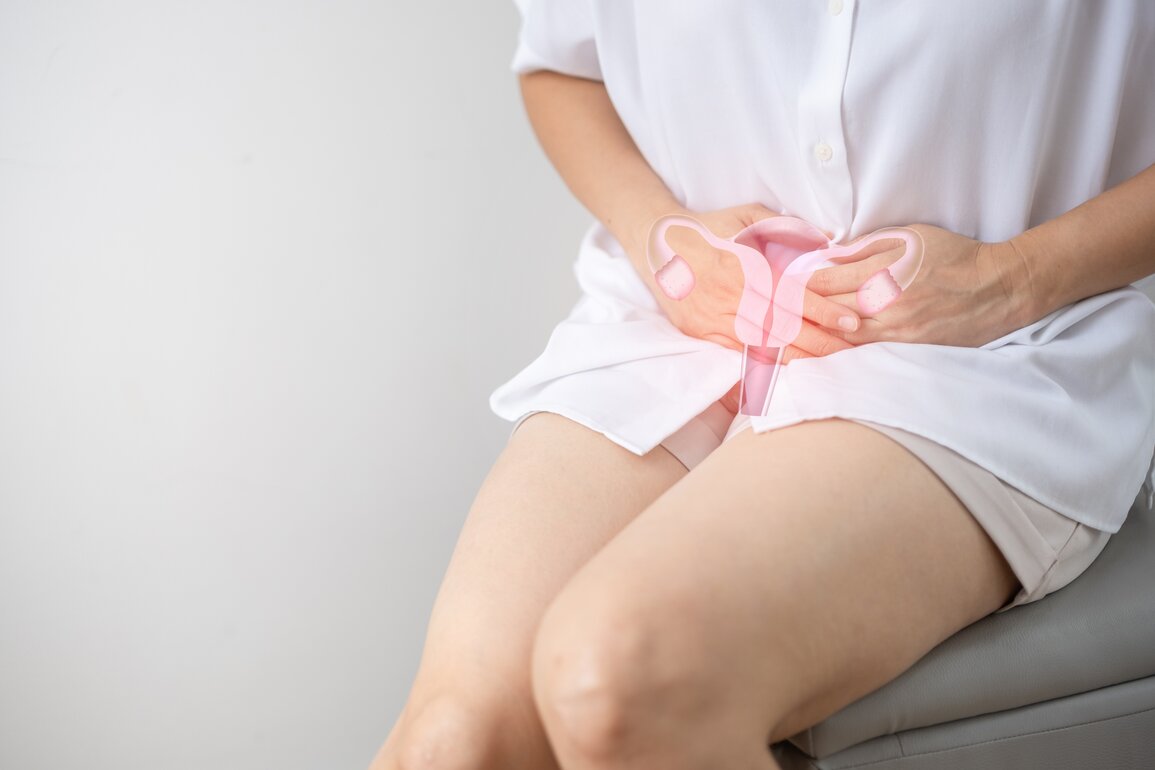
Uterine fibroids (Myoma Uteri) can be either ordinary (benign) or cancerous, though most commonly they originate from the muscular layer of the uterus and are benign. There are two main types:
- Those arising directly from muscle tissue or from other tissues infiltrating the uterine muscle
- Endometrial tissue growing in abnormal locations within the uterus (endometriosis), or multiple small growths clustering together to form larger masses
What are the symptoms of Uterine fibroids?
The symptoms of uterine fibroids depend on their severity. Some patients may not have any abnormal symptoms at all, but fibroids are discovered during internal examinations or ultrasounds. In addition to menstrual-related symptoms already mentioned, common symptoms of uterine fibroids include:
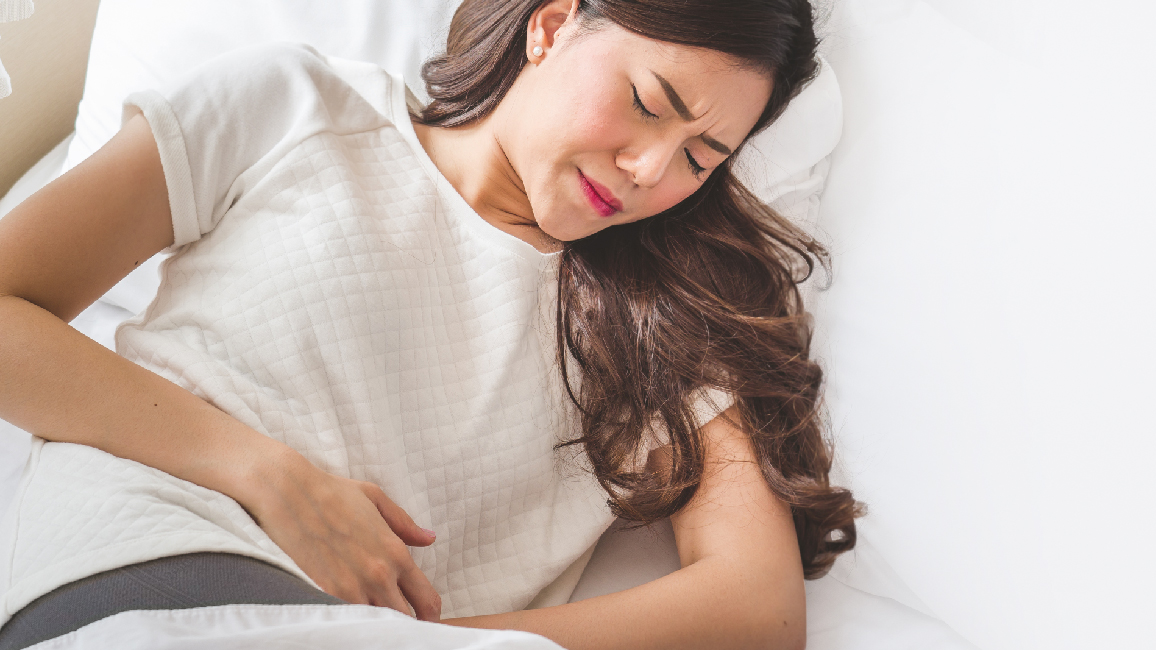
- Lower abdominal pain, often caused by changes in the fibroid, such as growth that leads to inadequate blood supply causing the fibroid to become ischemic, or pain from the fibroid pressing on other organs, creating a heavy, dull aching sensation in the abdomen.
- Frequent urination, which may occur when fibroids press against the bladder.
- Constipation, which may result from fibroids pressing against the lower part of the large intestine near the rectum.
- Pain during sexual intercourse.
- Fatigue and weakness.
- Palpable mass in the lower abdomen.
- Infertility and miscarriage, often found with small fibroids without other symptoms. Sometimes fibroids as small as 1-2 centimeters in the uterine cavity can block embryo implantation, making it difficult to conceive.
- Abnormally heavy menstrual periods, which is a typical sign of uterine fibroids, as they can cause heavier and longer periods with blood clots.

How are Uterine fibroids treated?
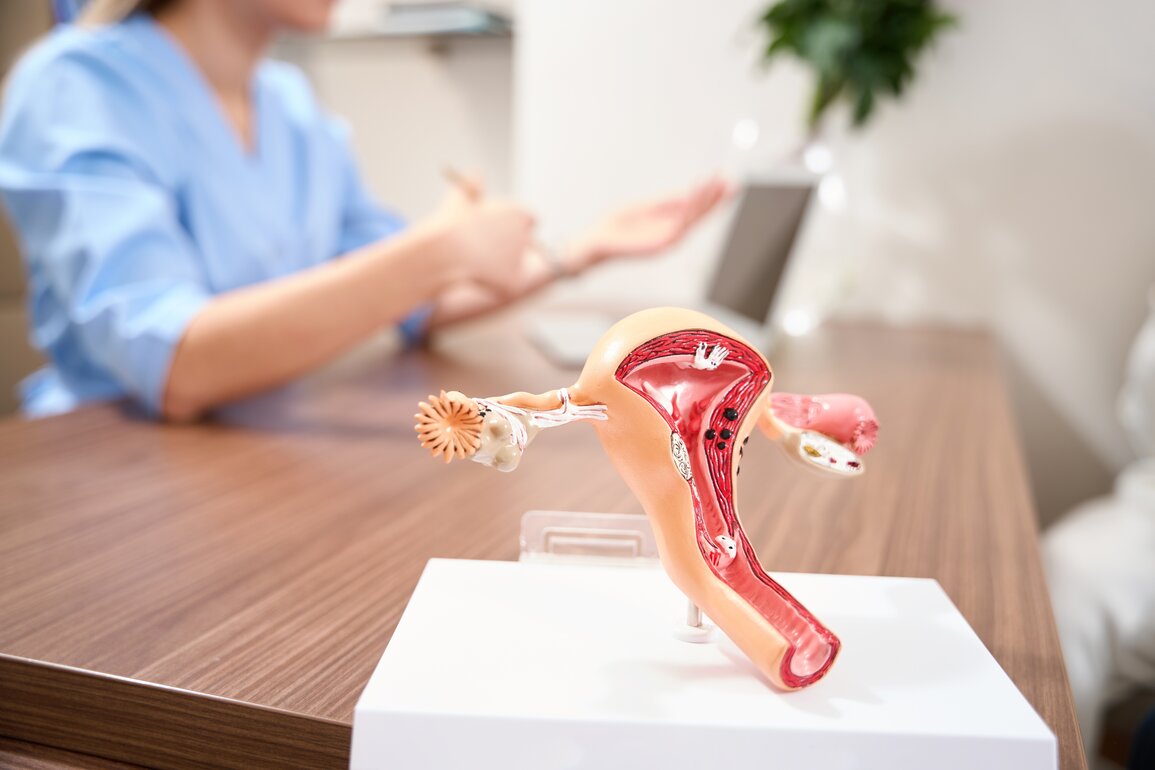
Treatment for uterine fibroids can be done in several ways, depending on symptoms, characteristics of the fibroids, and overall patient factors such as age, desire for children, and pregnancy status. Some patients can be treated with medication, but in some cases, doctors may consider surgical treatment. At the Women's Health Center of Nakornthon Hospital, there are two types of surgical procedures:
Exploratory Myomectomy
This open abdominal surgery is similar to a cesarean section, with an incision made horizontally across the abdomen. During surgery, the location of the ureters and fibroids can be clearly seen, allowing for precise separation, making the surgery relatively safe and preserving normal uterine function.
Laparoscopic Hysterectomy
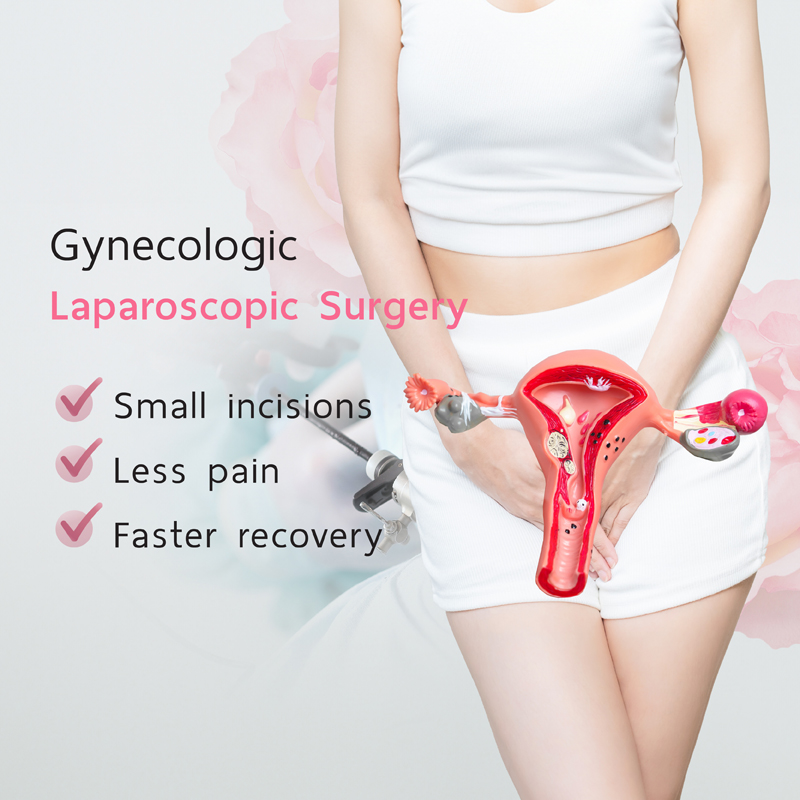
Laparoscopic surgery for uterine fibroids is performed through 3-4 small abdominal incisions, each measuring 0.5-1 centimeter. Only the fibroids are removed from the uterus, and the tissue is broken down for removal through the small incisions, or in some cases, the incision may be widened to 3-4 centimeters.
Laparoscopic fibroid surgery, a type of laparoscopic gynecologic surgery, has become popular due to several advantages: smaller incisions, less blood loss, less pain, shorter recovery time, quick healing, ability to get up, walk, and eat the day after surgery, and return to work or daily activities within 10-14 days. It also reduces the chance of adhesions from surgery and helps reduce postoperative complications such as wound inflammation, infection, or abscess due to the small incision size.
However, laparoscopic fibroid surgery has limitations including a longer operation time than open abdominal surgery, and a possibility of converting to open surgery if complications arise during the procedure. Additionally, fibroids found in perimenopausal or menopausal women may require careful differentiation from other associated diseases such as uterine cancer or cervical cancer before proceeding with laparoscopic surgery.
Get Uterine fibroid treatment in Thailand—At Nakornthon Hospital
Uterine fibroids are common among women of reproductive age, and while typically non-cancerous, they can lead to complications—especially if they grow large or affect nearby organs. Regular annual checkups and ultrasound screenings are key to early detection and effective management.
At Nakornthon Hospital’s Women’s Health Center, we provide a comprehensive one-stop service for women, offering expert consultations, advanced diagnostic tools, and minimally invasive treatment options. Our center is especially equipped to meet the needs of international residents living in Thailand, delivering accurate, efficient care with fast recovery times—minimizing hospital stays and ensuring patient comfort through cutting-edge medical technology and personalized treatment plans.
For more information, please contact:
- - Website : /en
- - Facebook : Nakornthon Hospital - International Patient
- - Line : @nakornthoninter
- - Tel: 02-450-9999 (Available 24 hours)

Dr.Jutaporn Uthaisan
Obstertrics and Gynaecology / Gynaecological Oncology
Women Health Center
Free Online Consultation
Medical Team Women Health Center


Dr. Suttanaratt Apiwantana
Women Health Center
Obstetrics and Gynaecology|Maternal Fetal Medicine
Make an Appointment


Dr. Dennopporn Sudjai
Women Health Center
Obstetrics and Gynaecology|Maternal Fetal Medicine
Make an Appointment
Health Articles


Packages / Promotions