Gallstone - Symptoms, Treatment
Center : Gastrointestinal and Liver Center
Article by : Dr. Sukhumpun Kaojarern9 January 2023
Choose to read by topic:
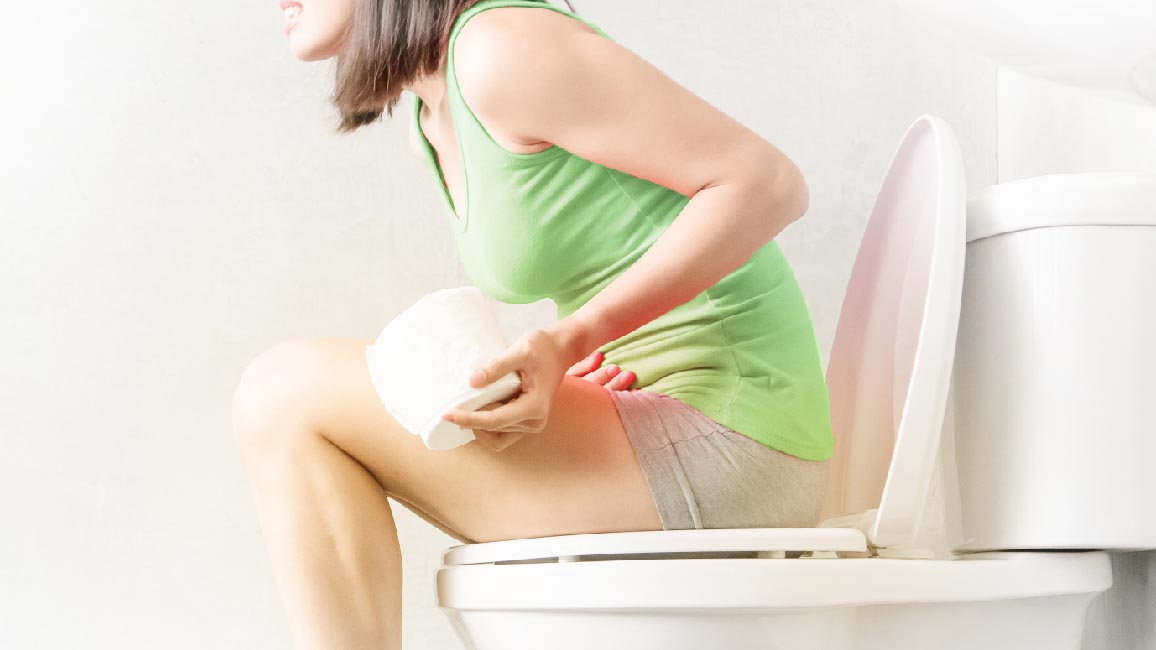
Chronic abdominal pain with persistent on-and-off symptoms may usually represent gastritis, GERD, or irritable bowel syndrome (IBS). However, these symptoms can also indicate other diseases, such as gallstones. Gallstones have many other names: gallbladder stones, biliary stones, and cholelithiasis. Gallstones are one of the most prevalent digestive disorders; they may or may not present with symptoms.
Gallstones are small stones that are usually made of an accumulation of cholesterol that forms in the gallbladder. People with this condition often have stomach pain that is sometimes difficult to distinguish from other diseases. Cholelithiasis can cause other complications such as jaundice and acute pancreatitis, yet in some cases, people with gallbladder stones can continue living normal lives. It is recommended to seek professional advice if the condition has disturbed daily activities and caused persistent discomfort.
What is Gallstone
The hardened deposits of bile forming in the gallbladder are called gallstones (or cholelithiasis). Gallstones are mainly caused from an accumulation of cholesterol together with the precipitation of calcium salts in the digestive fluids.
What is Gallbladder
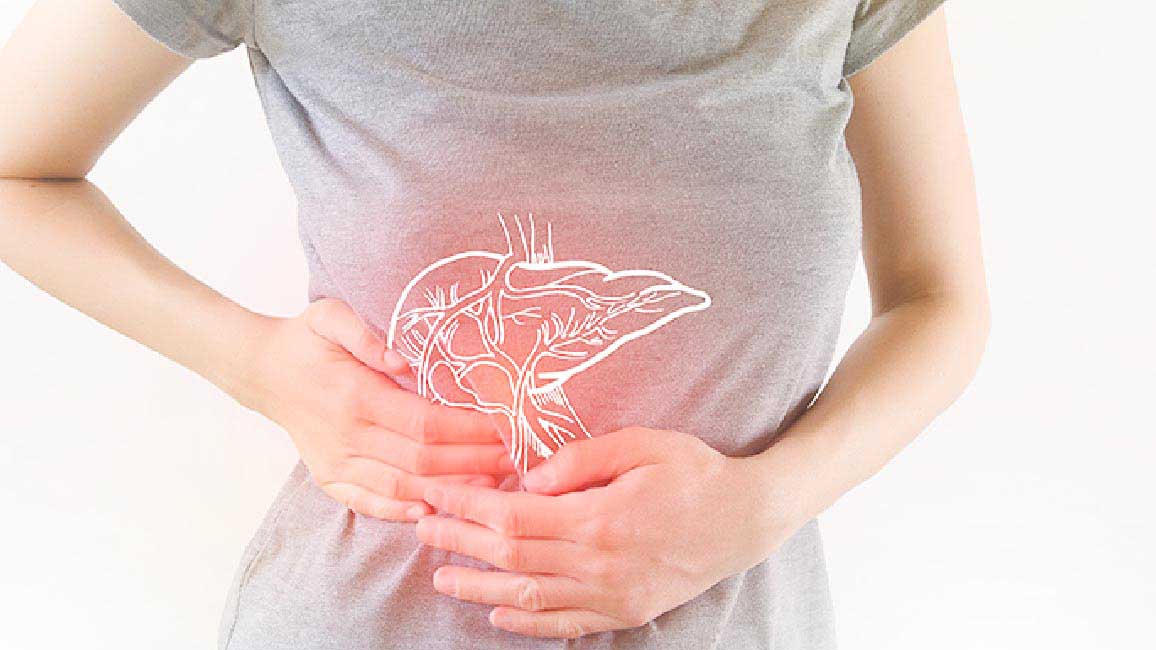
The gallbladder is a tiny, hollow organ with a pear shape that is situated beneath the liver on the right side of the abdomen. Bile, a yellowish-brown liquid that helps the small intestine break down and digest fatty foods, is stored and concentrated in the gallbladder.
Gallstone Types
Gallstones (cholelithiasis) are classified into 3 main categories by compositions. Each type has a specific distinction and appearance due to different components. Here are 3 main types of gallstones
Pigment gallstones
Pigment gallstones or black stones containing bilirubin, a red-orange compound that occurs in the normal catabolic pathway. Pigment gallstones are usually caused by conditions such as hemolytic anemia and liver diseases. Since these conditions usually result in abnormalities of the blood, bilirubin is then produced, giving the gallstones their dark brown colour.
Cholesterol gallstones
Cholesterol gallstones appear greenish-yellow or chalky white colour because of their main component, undissolved cholesterol. This type of gallstone is the most common.
Mixed gallstones
Mixed gallstones, with an appearance of sticky mud, are a mixture of both pigment and cholesterol gallstones. Mixed gallbladder stones can be found in cases of infection of the liver, pancreas, and biliary tract.
Symptoms of Gallstone
Because gallbladder stone size varies, people may experience symptomatic gallstones differently. The size of gallstones may increase with time, or in some cases, the gallstones can accumulate from a single tiny stone up to several hundred stones.
Gallstones (cholelithiasis) can either be symptomatic or non-symptomatic, depending on each person’s condition. Sometimes, if a biliary stone gets stuck in the biliary tract, creating a blockage, there might be some signs and symptoms that occur. The size of gallstones is associated with the risk of developing gallbladder cancer as well. The larger the gallstones, the higher the risk of developing gallbladder cancer.
It is possible that a biliary stone causes a blockage in the biliary tract. In such cases, the consecutive gallstone symptoms are:
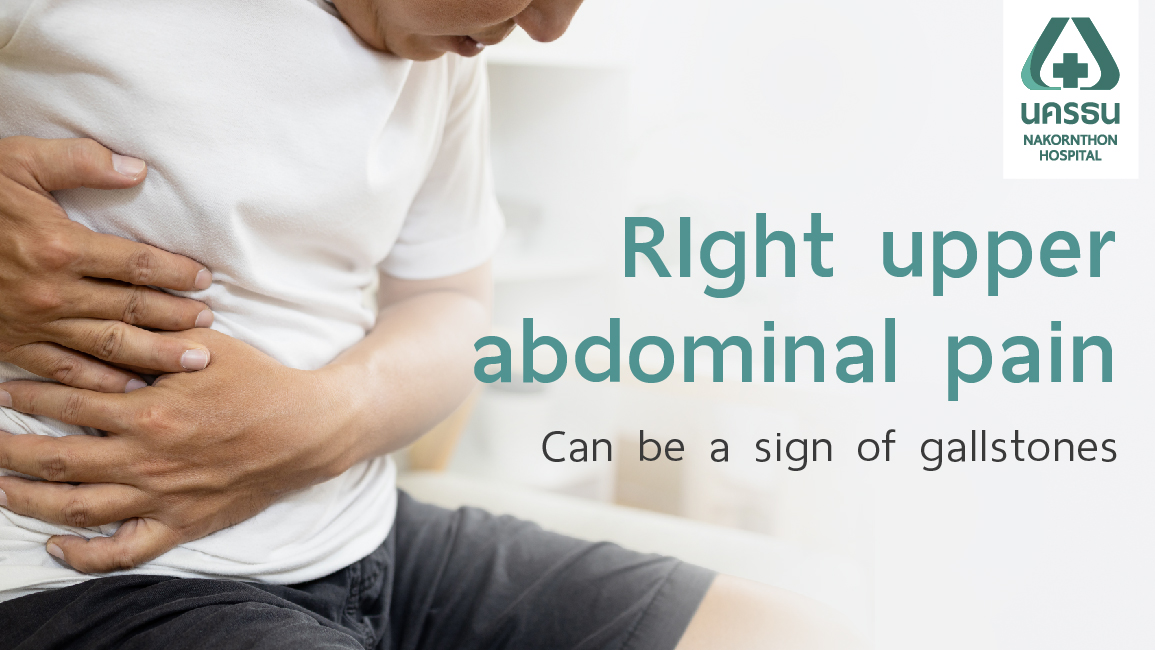
- Severe and sudden pain in the upper right abdomen.
- Pain in the right shoulder or mid back (the space between shoulder blades)
- Nausea and vomiting
- Flatulence
- Bloating or having chronic digestive problems especially after consuming high-fat diets
- Jaundice, dark urine
- High fever and chills
When to see a Doctor
Gallstone pain can last several minutes to a few hours, depending on each individual. It is recommended that you seek professional help if you are worried about your signs and symptoms. However, seek immediate care in cases of these symptoms below:
- Jaundice (yellowing of your skin and the whites of your eyes)
- Abdominal pain so intense that you can't sit still or find a comfortable position
- High fever with chills
Causes of Gallstone
The causes of gallstones are generally idiopathic. However, the following factors contribute to the formation of gallstones:
- Too much cholesterol in your bile. The bile’s main function is to dissolve the cholesterol excreted by the liver, meaning that the bile must contain enough chemicals to do its job properly. Nevertheless, if your liver excretes too much cholesterol for your bile’s capacity to dissolve it, the excess cholesterol may crystalize and eventually form cholelithiasis, specifically cholesterol gallstones.
- Too much bilirubin in your bile. The body breaks down red blood cells every day, resulting in bilirubin production. Bilirubin is a chemical compound that occurs in the normal catabolic pathway, a necessary process in waste product clearance. Certain conditions, such as liver cirrhosis and biliary tract infections, can cause your liver to produce excessive bilirubin, which can form biliary stones.
- Your gallbladder’s malfunction in the emptying process. It means that sometimes, your gallbladder doesn’t empty completely or frequently enough. As a result, the concentration of bile rises, which aids in the development of gallbladder stones.
Risk Factors of Gallstone
Here are some examples of risk factors contributing to gallbladder stones:
- Diabetes
- Obesity and overweight
- Being female age 40 or older
- Hematologic disorders such as anemia and thalassemia
- Hypercholesterolemia (high level of blood cholesterol)
Gallbladder stones can cause complications other than their signs and symptoms, such as stomach pain. The complications of biliary stones are:
- Gallbladder cancer. People with a history of gallstones have a higher risk of gallbladder cancer.
- Inflammation of the gallbladder (cholecystitis) which results from the lodged gallstones in the neck of the gallbladder. Cholecystitis can cause fever and severe pain.
- Blockage of the pancreatic duct.
- Blockage of the common bile duct.
Gallstone Diagnosis
How to diagnose gallbladder stones?
Starting with history-taking and physical examination, the diagnosis of gallstones is typically confirmed by an upper abdominal ultrasound. The procedure is generally performed by gastroenterologists, specialists with expertise in the diseases and disorders affecting the digestive system. An upper abdominal ultrasound is a radiological imaging test that uses high-frequency sound waves to create images of the inside of the abdomen. The images show the details of biliary stones and aid the physician in diagnosis and treatment planning. However, in some circumstances where the gallstones are only partially visible on ultrasonography, an MRI scan may be advised. Blood testing may also be used to identify gallstone complications.
Gallstone treatment in Bangkok is also available through healthcare providers in Thailand. It is advised that you visit a doctor so that the diseases can be accurately diagnosed and treated.
Treatment for Gallstone in Bangkok
A removal of the gallbladder is generally suggested if the patients are suitable candidates for surgery. Since recurrences of gallstones are common, gallbladder removal is considered effective both in treatment and prevention. Here are some examples of gallstone treatment:
- Open surgery (Open Cholecystectomy): a single large cut about 5–7-inch wide is performed in the abdomen to remove the gallbladder. This type of gallstone surgery is mostly indicated for those who have severe inflammation of the bile duct or gallbladder, which can lead to ruptures of the gallbladder. Open surgery requires a long period of bed rest due to the size of the incision.
- Laparoscopic surgery (LC): LC is a minimally invasive surgery aimed at removing the gallbladder through small incisions. The procedure is performed by inserting a laparoscope, a narrow tube with a camera, into small incisions. The gallbladder's images will show up on the display, enabling doctors to carefully examine and successfully remove the gallbladder.
- Endoscopic retrograde cholangiopancreatography (ERCP): ERCP is a combined technique of endoscopy and fluoroscopy. The method is used to diagnose and treat certain conditions of the pancreatic ductal systems and the biliary system, such as gallstones. The diagnostic method of ERCP is to help physicians examine cases of obstructive jaundice, chronic pancreatitis, and gallstones with dilated bile ducts. This helps doctors plan appropriate treatments for each individual.
It is recommended to seek medical advice in cases of biliary stones, since gallbladder stones can be symptomatic and result in further complications such as gallbladder cancer. If you are now living in Bangkok and experiencing gallstone problems, Nakornthon Hospital’s GI center offers you a thorough healthcare service to precisely diagnose and treat the conditions. The experienced gastroenterologists there, using innovative medical technology, will design a proper treatment for each individual to ensure their full recovery and prevent further complications.
Gallstone Prevention
Generally, gallbladder stones can be prevented by adjusting your lifestyle. A regular checkup to keep your health in good shape is also recommended, since biliary stones can take some time to accumulate and become symptomatic. Here are some examples of gallstone prevention:
- Maintain a healthy weight.
- Eat more high-fiber foods.
- Avoid high-fat foods.
- Lose weight slowly.
- Don’t skip meals.
Gallstone Conclusion
Gallstones are small stones that are usually made of an accumulation of cholesterol that forms in the gallbladder. The most common symptom is pain in the upper abdomen. In some cases, gallstones can cause nausea and vomiting. Biliary stones can also lead to further complications such as jaundice, acute pancreatitis, and gallbladder cancer. The condition is treatable with surgery— a gallbladder removal. You can prevent the condition by maintaining a healthy weight and having a healthy diet, such as eating vegetables and avoiding high-fat foods. It is recommended that you seek professional advice in cases of persistent symptoms or emergencies.

Online Consultation
Medical Team Gastrointestinal and Liver Center

Dr. Uraiwan Simapichet
Gastrointestinal and Liver Center
Internal Medicine|Gastroenterology
Make an Appointment

Dr. Pacharakorn Techaratanayuenyong
Gastrointestinal and Liver Center
Internal Medicine|Gastroenterology
Make an Appointment

Dr. Sapol Thepwiwatjit
Gastrointestinal and Liver Center
Internal Medicine|Gastroenterology
Make an Appointment

Assoc. Prof. Dr. Pochamana Phisalprapa
Gastrointestinal and Liver Center
Internal Medicine|Gastroenterology
Make an Appointment

Dr. Pubet Weeranawin
Gastrointestinal and Liver Center
Internal Medicine|Gastroenterology
Make an Appointment