Polycystic Ovary Syndrome (PCOS)
Center : Women Health Center , Nakornthon Gift Fertility Center
6 February 2023
Choose to read by topic:
- What is Polycystic Ovary Syndrome (PCOS)
- Polycystic Ovary Syndrome Symptoms
- Causes of Polycystic Ovary Syndrome
- Complications of Polycystic Ovary Syndrome
- Polycystic Ovary Syndrome Diagnosis
- Treatment Polycystic Ovary Syndrome
- Polycystic Ovary Syndrome Prevention
- Polycystic Ovary Syndrome FAQ
- Conclusion for Polycystic Ovary Syndrome
- Online Consultation
What is Polycystic Ovary Syndrome (PCOS)
Polycystic Ovary Syndrome or PCOS is usually presented with numerous small follicles in the ovaries that cause the ovaries to overproduce androgen. Androgen is a male sexual hormone that is usually present in small amounts in women. PCOS hormones cause women to have signs and symptoms related to hormone imbalance, for example, acne, weight gain, and an abnormal menstrual period. However, some women have polycystic ovaries without the aforementioned symptoms, whereas some women might develop symptoms without having polycystic ovarian morphology on ultrasonography.
PCOS hormones are generally referred to as having a high level of androgen, and an abnormal level of estrogen, progesterone, and insulin. Hormonal imbalances can also affect ovulation. If women do not ovulate due to hormonal factors, abnormal endometrial growth caused due to anovulation such as endometrial polyps, endometrial hyperplasia or endometrial cancer may occur. Some women also might experience infertility or worse.
What is Androgen
A group of hormones known as androgens is involved in the development of male characteristics and sexual behavior. The two main androgens, which are found in both males and females, are testosterone and androstenedione.
Androgens aid in the onset of puberty and physical development. High androgen levels in females can cause acne, facial hair, and other problems. Males with insufficient testosterone may experience reduced sex desires and breast development (gynecomastia).
Androgens are created by the ovaries, adrenal glands, and fat cells in females. Women can either produce too much or too little of these hormones; excess and deficiency of androgens are among the more prevalent hormonal conditions in women.
Androgens are important players in the hormonal cascade that initiates puberty in women, promoting pubic and underarm hair growth. These hormones are also thought to control how various organs, including the reproductive system, bone, kidneys, liver, and muscle, function. Androgens are essential for the production of estrogen in adult females and have been linked to increased sexual arousal, satisfaction, and bone preservation.
Polycystic Ovary Syndrome Symptoms
Polycystic ovary syndrome (PCOS) often starts showing symptoms around the time of the first menstrual period. Some women may experience PCOS symptoms later, after they have had periods for some time. Some signs and symptoms are common, yet a diagnosis of polycystic ovarian disease is made when you have at least two of these signs.
Here are examples of signs of PCOS:
- Polycystic ovaries: The ovaries may be bigger than normal due to follicles containing immature eggs. These follicles can cause the ovaries to malfunction.
- Irregular periods: This is one of the common symptoms of PCOS. It can either be a prolonged menstrual period or fewer periods in a year (which are approximately 35 days apart from each period).
- Missed periods or very light periods.
- Too much androgen. Excess androgen results in excess facial and body hair called hirsutism. In some cases, excessive production of androgen can cause male-pattern baldness and severe acne as well.
- Small pieces of excess skin on the neck or armpits and velvety thick and dark skin patches on the back of the neck, in the armpits, and under the breasts.
- Infertility.
When to see a Doctor
You should seek medical advice if:
- You have irregular periods, abnormal bleeding from the vagina. or other symptoms.
- You are experiencing a possible case of infertility, which may be a result of anovulation.
- The pattern of male characteristics, such as severe acne, hair loss from the head, or excessive hair growth (hirsutism).
Causes of Polycystic Ovary Syndrome
Although the exact cause of PCOS is unknown, many factors contribute to the disorder. PCOS can be caused by the following factors:
Risk Factors for Polycystic Ovary Syndrome
- Heredity. According to research, several genes may be connected to PCOS. A family history of PCOS, for example, in mothers or sisters, may increase your risk of having polycystic ovarian disease.
- Excess androgen. The ovaries may produce an excessive amount of androgen if you have PCOS. Ovulation is hampered by an oversupply of androgen. This indicates that the follicles in which the eggs develop are not regularly used to release the eggs. Hirsutism and acne can also be brought on by too much androgen.
- Low-grade inflammation. In reaction to an infection or injury, white blood cells produce various substances. The reaction is referred to as low-grade inflammation. According to research, patients with PCOS have a specific kind of chronic, low-grade inflammation that causes their polycystic ovaries to manufacture androgens. Heart and blood vascular issues may result from this.
- Insulin resistance. Your body may overproduce androgen if you have too much insulin. Ovulation, the process through which eggs are released from the ovary, may be difficult for you due to this condition. Dark, velvety patches of skin in the armpits, groin, or under the breasts are one indication of insulin resistance as well. Other symptoms could include a greater appetite and weight gain.
Complications of Polycystic Ovary Syndrome
Women with polycystic ovary syndrome are at higher risk of developing complications regarding hormonal issues. Some complications of polycystic ovary syndrome (PCOS) are:
- High blood pressure
- Metabolic Syndrome
- Hyperlipidemia
- Uterine cancer
- Type 2 diabetes
- Heart and blood vessels diseases
- Infertility
Polycystic Ovary Syndrome Diagnosis
There is no one test that can accurately identify polycystic ovary syndrome (PCOS). Your symptoms, medications, and any other medical conditions will probably be discussed at first with your doctor. Physical examinations will be performed to diagnose the condition. Here are some examples of PCOS examinations you may have:
- A pelvic exam. This examination evaluates the condition of your reproductive organs both internally and externally.
- Blood tests. Hormone levels can be determined via blood tests. This testing can rule out other reasons of irregular menstruation or androgen excess that resemble polycystic ovary syndrome.
- Pelvic ultrasound. The ovaries and the thickness of the lining of the uterus (endometrium) can both be examined with an ultrasound. The transducer is inserted into your vagina, the recturm, or placed on your abdomen, according to your preference and conditions. The images created by the waves appear on the computer screen, showing the condition of the organs. Polycystic ovaries can be examined by this method.
Treatment Polycystic Ovary Syndrome
Polycystic ovary syndrome, or PCOS, is treatable. Despite several factors contributing to the condition, treatment is generally aimed at presenting symptoms. Your overall health and severity of symptoms are to be considered as well. PCOS treatments are divided into three main groups, depending on which symptoms you are experiencing. Here are treatments for polycystic ovarian disease.
- Lifestyle changes. A change in activity and diet control is typically recommended to reduce weight and your symptoms. Exercise can help your body to regulate insulin level better, resulting in lower blood sugar which may help you ovulate.
- Medications. Medications are considered in case of period regulations. Your doctor may suggest medications such as
- Progestin therapy. Your periods can be regulated by taking progestin for 10-14 days every 1-2 months. Progestin can also protect against endometrial cancer. It won’t prevent pregnancy and doesn’t improve androgen levels.
- Combined oral contraceptive pills. Estrogen and progestin-containing pills reduce androgen production and control estrogen. By balancing your hormones, you can reduce your chance of endometrial cancer and get rid of acne, unwanted hair growth, and irregular bleeding.
- In case you wish to be pregnant, your physician may suggest medications to help you ovulate. Examples of the medications are Gonadotropins, Metformin, Letrozole, and Clomiphene.
If you have polycystic ovaries and are now living in Bangkok, we suggest you visit Nakornthon Hospital. The Women's Center at Nakornthon Hospital offers you a one-stop service provided by experienced gynecologists. You can have a physical examination, get an accurate diagnosis, and get individualized treatment there.
Self-care for Polycystic Ovary Syndrome
Several factors contribute to polycystic ovary syndrome (PCOS). Some of them are adjustable. Hence, it is recommended that you have a proper diagnosis of polycystic ovary syndrome. Have a thorough examination to determine whether you have polycystic ovaries and get PCOS treatment. Here are some suggestions for how to take care of yourself when you have PCOS.
- Be active and exercise regularly.
- Limit carbohydrates. Have a healthy diet.
- Maintain a healthy weight.
Polycystic Ovary Syndrome Prevention
Polycystic ovary syndrome (PCOS) has no exact causes, so there is no proven way to efficiently prevent PCOS. However, you can change your lifestyle or make some small adjustments to improve your symptoms. Some suggestions include exercising regularly, maintaining a healthy weight, and eating healthy foods.
Polycystic Ovary Syndrome FAQ
There may be some questions regarding polycystic ovarian disease, for example, how long you have to take medications or whether you will be able to get pregnant after PCOS has been treated. Here are some FAQs.
Can I get pregnant if I have PCOS?
Yes, you can. Polycystic ovary syndrome (PCOS) is one of the most common conditions in women with Infertility as it interferes with ovulation. However, woman with PCOS usually has normal uterus and fallopian tubes.
So, if your ovaries can function properly, either by lifestyle modification or medications, you can become pregnant. Hence, it is recommended that you seek professional advice on this topic.
Conclusion for Polycystic Ovary Syndrome
A hormonal disease known as polycystic ovary syndrome (PCOS) affects women of childbearing age. PCOS patients may not ovulate and have a large number of little cysts in their ovaries. PCOS symptoms are irregular menstrual periods, excess hair growth, acne, weight gain, and infertility. The condition is treatable and typically does not cause permanent infertility. It is suggested that you seek medical advice to get an accurate diagnosis and proper treatment.
Online Consultation
Medical Team Women Health Center
Dr. Theethat Mongkornthong
Women Health Center
Obstetrics and Gynaecology|Gynaecological Oncology
Make an Appointment
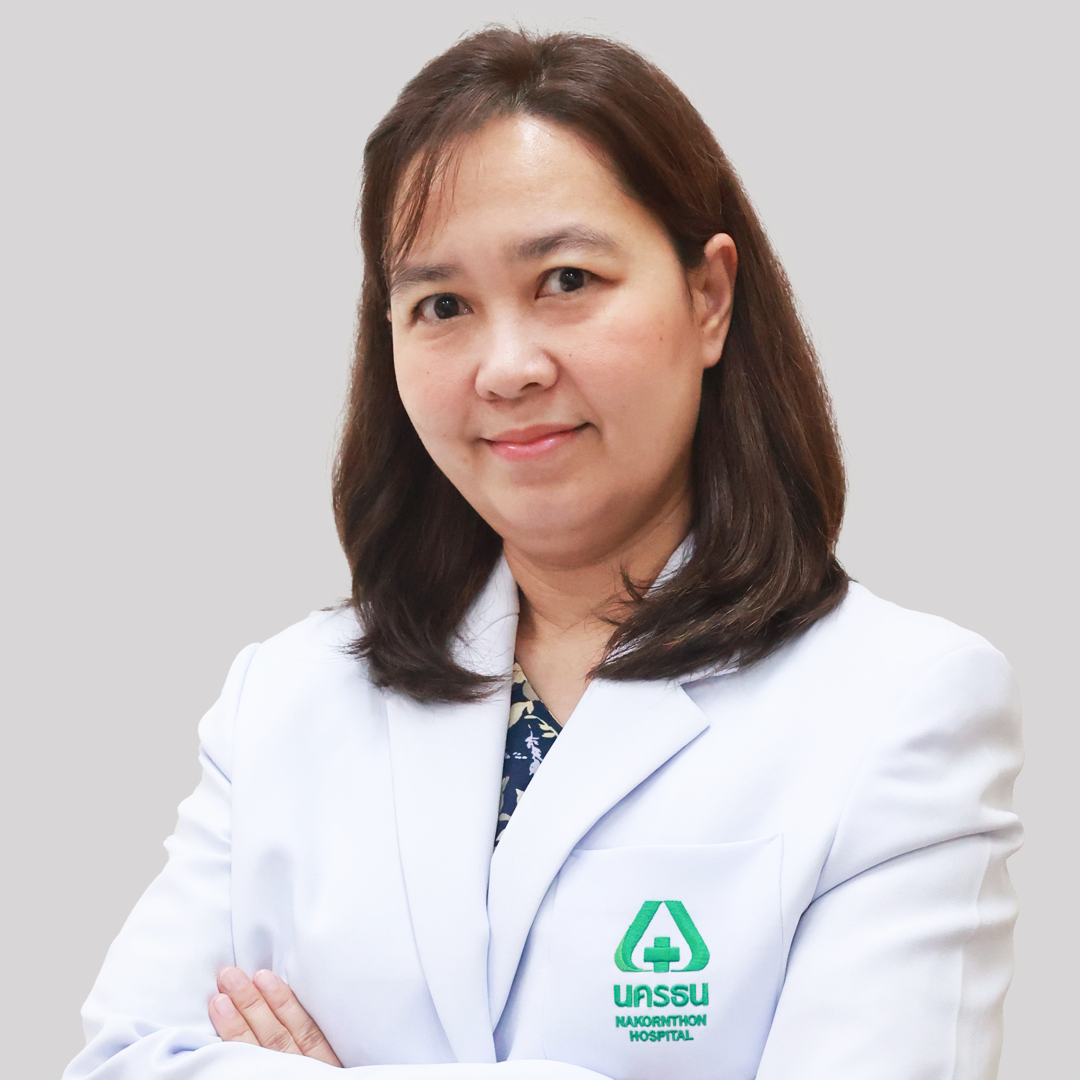
Dr. Dennopporn Sudjai
Women Health Center
Obstetrics and Gynaecology|Maternal Fetal Medicine
Make an Appointment

Dr. Suttanaratt Apiwantana
Women Health Center
Obstetrics and Gynaecology|Maternal Fetal Medicine
Make an Appointment


Health Articles
-02.jpg)
Packages / Promotions