Hyperglycemia: When High Blood Sugar Becomes a Risk for Diabetes
Center : Internal Medicine Center (Diabetes)
Article by : Dr. Supatra Pavarangkoon30 May 2025
Many people wonder, "What is a normal blood sugar level that's safe?" and "Is it a problem if it's slightly elevated?" In fact, hyperglycemia (high blood sugar level) can be a warning sign of prediabetes or diabetes. Understanding abnormal blood sugar levels and knowing when you should Starting to take care of yourself and recognizing the point at which those levels become risky to your health are important for maintaining your health and preventing potential complications.
Table of Contents
What is Hyperglycemia?
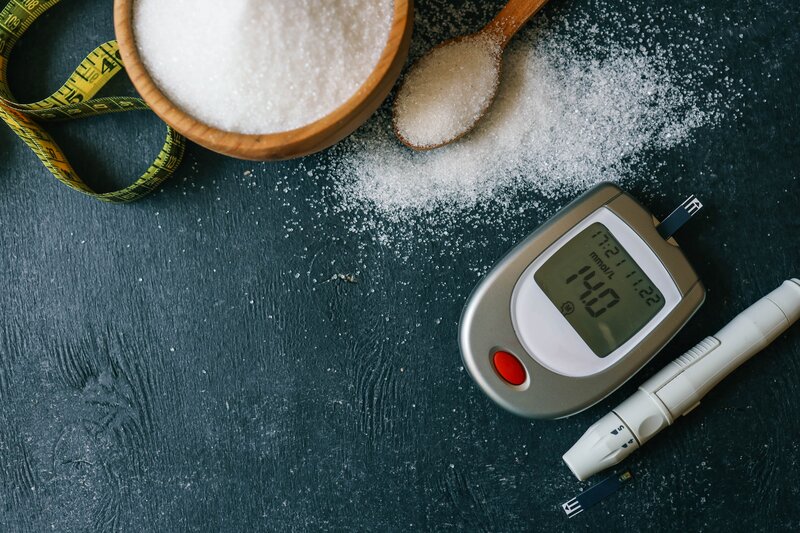
Hyperglycemia is a condition that occurs when blood sugar levels rise above normal. This may be caused by eating foods too high in sugar or carbohydrates, stress, insufficient rest, or abnormal functioning of the insulin hormone. If high blood sugar occurs frequently, it's usually due to diabetes.
What blood sugar level is at risk for Diabetes?
- Normal fasting blood sugar levels
- Normal range: Less than 100 mg/dL (approximately 70-100 mg/dL)
- Prediabetes range: 100-125 mg/dL
- Abnormal range (Diabetes): 126 mg/dL or higher
- Blood sugar levels 2 hours after eating
- Normal range: Less than 140 mg/dL
- Prediabetes range: 140-199 mg/dL
- Abnormal range (Diabetes): 200 mg/dL or higher
- Average accumulated blood sugar (HbA1c)
- Normal range: Less than 5.7%
- Prediabetes range: 5.7-6.4%
- Abnormal range (Diabetes): 6.5% or higher
What causes Hyperglycemia?
The causes of hyperglycemia (elevated blood sugar levels) stem from multiple factors, primarily related to problems with the body's blood sugar control mechanisms. These factors include:
- Causes directly related to diabetes, include conditions that make blood sugar levels rise more easily due to insulin resistance, where the body does not respond effectively to insulin, preventing cells from absorbing and using glucose efficiently. In other cases, the body may produce insufficient insulin, making it difficult to maintain normal blood sugar levels. The insulin injection therapy may be required as part of the treatment plan.
- Other causes unrelated to diabetes, including consumption of foods high in sugar and carbohydrates, stress (which triggers hormones that increase blood sugar levels), infections or other illnesses that can elevate blood sugar, lack of physical exercise, and hormonal disorders.
Symptoms of Hyperglycemia
People with high blood sugar (hyperglycemia) may experience several characteristic symptoms:
Early hyperglycemia symptoms:- Frequent urination (polyuria)
- Increased thirst (polydipsia)
- Blurred vision
- Fatigue
- Headache
- Difficulty concentrating
More severe hyperglycemia symptoms (when blood sugar remains high):
- Dry mouth
- Nausea and vomiting
- Shortness of breath
- Stomach pain
- Fruity breath odor (a sign of ketoacidosis, a serious condition)
- Confusion
- Weakness
Long-term hyperglycemia symptoms (with chronic hyperglycemia):
- Slow-healing cuts and sores
- Recurring infections
- Nerve damage (neuropathy) causing tingling or numbness in extremities
- Vision problems
What happens when your blood sugar is too high?
If hyperglycemia is left uncontrolled for a long time, it can lead to severe high blood sugar symptoms, both acute and chronic, affecting multiple vital organ systems in the body, including:
Emergency complications
- Excessive thirst and frequent urination, especially at night, as the body tries to eliminate excess sugar through urine, leading to frequent urination and risk of dehydration
- Weakness and fatigue, because the body cannot efficiently use sugar for energy
- Blurred vision, as high blood sugar affects the fluids in the eyes, causing abnormal vision
- Unexplained weight loss, as the body breaks down fat and muscle to use as alternative energy sources instead of sugarK
- Blood acidity (ketoacidosis)
Long-term complications
Allowing blood sugar to remain high for extended periods without hyperglycemia treatment can lead to complications affecting various body systems, such as:
- Cardiovascular disease, as high blood sugar causes blood vessels to narrow and harden, increasing the risk of coronary artery disease, heart attack, and stroke
- Diabetic foot disease, a complication affecting peripheral nerves and blood vessels, causing abnormal nerve function in the feet, resulting in reduced sensation and control of small foot muscles, including decreased ability to feel heat, cold, or pain, or complete loss of sensation
- Diabetic eye disease, or diabetic retinopathy, causing damage to blood vessels in the retina, leading to blurred vision and potential vision loss
- Kidney complications, causing protein leakage in urine, progressive kidney deterioration, potentially leading to kidney failure and death

Does Hyperglycemia turn into Diabetes?

Having high blood sugar doesn't always mean you have diabetes, but it can be a warning sign that you might be at risk for developing diabetes. Therefore, measuring blood sugar levels or screening for diabetes is important to help identify the causes of high blood sugar. If diabetes is diagnosed, doctors will recommend a diabetes treatment plan to control blood sugar or better manage diabetes.
If you discover you have hyperglycemia, exercise, adjust your diet, and see a doctor promptly. Don't allow high blood sugar to persist for a long time, as it may lead to complications.
Preventions of Hyperglycemia
If you're concerned about your risk of diabetes from hyperglycemia, you can observe the following:
Diabetes symptoms:People with diabetes may have no symptoms at all. Initial symptoms to watch for include frequent urination (especially at night), increased thirst, frequent hunger with increased eating but weight loss, easy fatigue, weakness, blurred vision, slow-healing wounds, frequent infections, skin itchiness or abnormal dryness, and numbness in hands and feet (due to nerve damage). If you have several of these symptoms, it's recommended to see a doctor for diabetes screening blood tests.
Diabetes risk factors include: being 35 years or older even without symptoms, being overweight or obese (BMI greater than 25), having an above-standard waist circumference (men >90 cm, women >80 cm), having immediate family members (parents, siblings) with diabetes, having high blood pressure (140/90 mmHg or higher) or abnormal blood lipid levels such as HDL ("good" cholesterol) of 38 mg/% or lower, triglycerides of 250 mg/% or higher, as well as those who lack health activities or exercise less than 3 times per week, and women with polycystic ovary syndrome. These individuals should receive health checkups to screen for diabetes.
Hyperglycemia Diagnosis and Tests at Nakornthon Hospital
People with hyperglycemia often don't realize they're at risk for diabetes. Therefore, knowledge about blood sugar levels and indicators of risk is essential. If we can detect abnormalities in the early stages, we can prevent and delay the onset of diabetes. Both the general public and those at risk should undergo blood sugar testing.
The Internal Medicine Center (Diabetes) at Nakornthon Hospital offers blood sugar level testing, diabetes screening, and appropriate health care recommendations. Their services cover comprehensive blood sugar control management to ensure patients receive the most effective care possible.
Nakornthon Hospital understands the unique healthcare needs of expatriates living in Thailand who require comprehensive treatment. Their medical team provides close, personalized care for international patients with diabetes or those concerned about their blood sugar levels. We offer complete diabetes management services with medical professionals who can communicate effectively with foreign patients.
For more information, please contact:
- - Website : /en
- - Facebook : Nakornthon Hospital - International Patient
- - Line : @nakornthoninter
- - Tel: 02-450-9999 (Available 24 hours)

Dr.Supatra Pavarangkoon
Internal Medicine / Endocrinology and Metabolism
Internal Medicine Center (Diabetes)
Free Online Consultation
Medical Team Internal Medicine Center (Diabetes)

Dr. Kanit Ounchokdee
Internal Medicine Center
Internal Medicine|Medical Oncology
Make an Appointment

Dr. Rossukon Likhitjitta
Internal Medicine Center (Diabetes)
Internal Medicine|Endocrinology and Metabolism
Make an Appointment