Diabetes: The Silent Threat to Your Health
Center : Internal Medicine Center (Diabetes)
Article by : Dr. Supatra Pavarangkoon30 May 2025
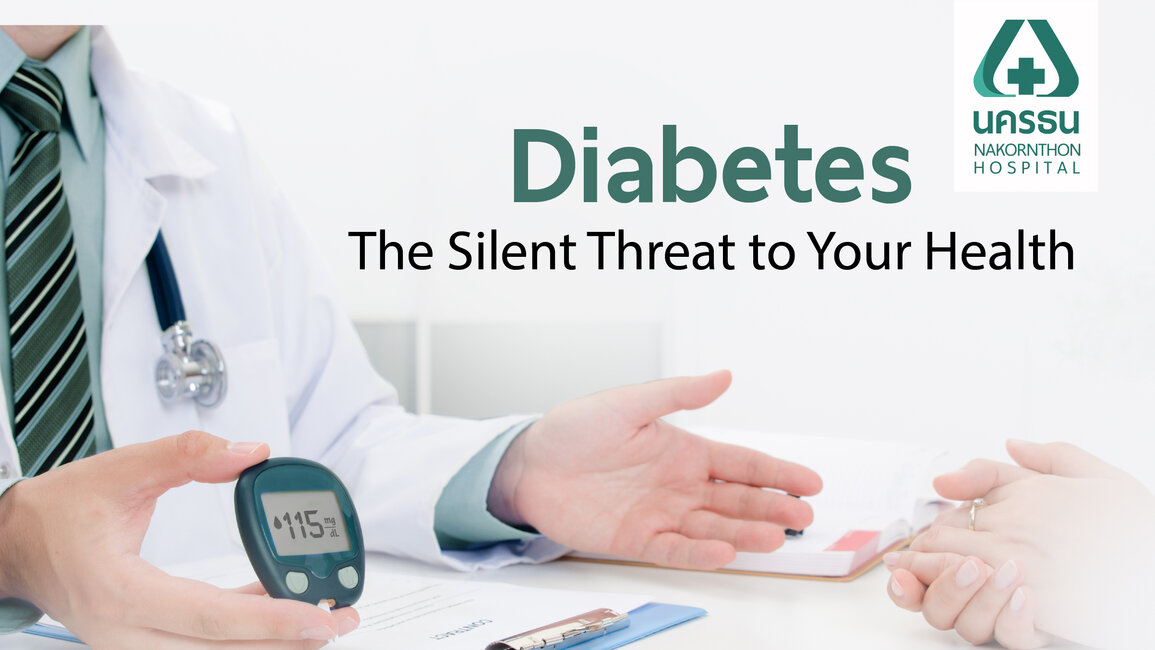
Diabetes mellitus is a condition many people are familiar with and is commonly associated with older adults. However, its prevalence is now increasing among working-age individuals and even teenagers. While some may think of diabetes as a distant concern, lifestyle choices—such as poor eating habits and lack of physical activity—have a direct impact on the risk of developing this disease.
Diabetes is not a condition that can be easily cured once diagnosed. Without proper management and timely diabetes treatment, it can become a lifelong health challenge. Therefore, understanding diabetes—its symptoms, causes, and prevention methods—not only helps protect ourselves but also enables us to care for and guide our loved ones toward the right diabetes treatment and lifestyle adjustments.
Table of Contents
What is Diabetes?
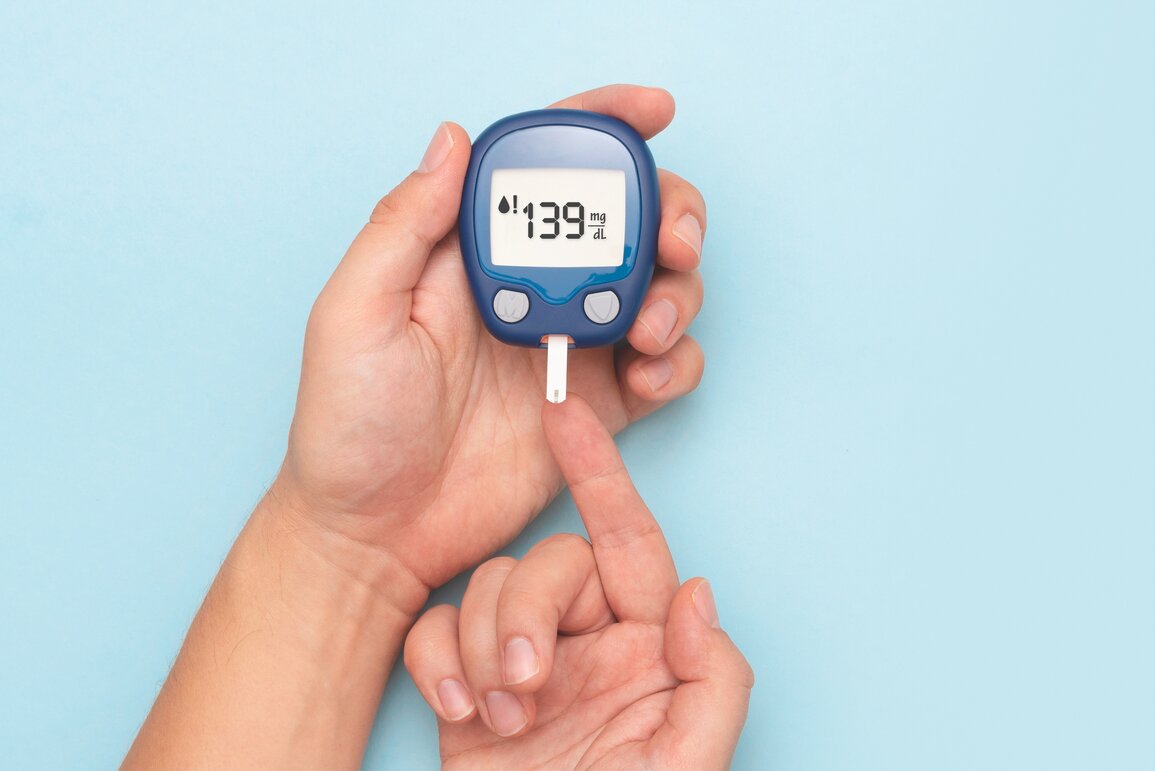
Diabetes is a condition characterized by hyperglycemia, or elevated blood sugar levels, caused by a lack of insulin or the body’s resistance to insulin. It can affect individuals of all ages and genders, especially those with risk factors such as being overweight, having a direct family history of diabetes, consuming sugary foods frequently, or lacking regular physical activity.
Often referred to as a “silent threat,” diabetes can gradually impact overall health and lead to serious complications without noticeable symptoms. Early awareness, lifestyle changes, and proper management are essential to reduce long-term risks.
Symptoms of Diabetes
Common diabetes symptoms:
- Frequent and excessive urination, sometimes attracting ants to the urine
- Increased thirst and frequent water intake
- Increased appetite and frequent hunger despite unexplained weight loss
- Fatigue, weakness, drowsiness, or even loss of consciousness
- Blurred vision
- Slow-healing wounds or recurring boils, along with itchy rashes—particularly around the genital area due to fungal infections
- Numbness or tingling in the hands and feet
- Sexual dysfunction, especially in men
- No noticeable symptoms in some cases—especially during the early stages. Many people discover they have diabetes incidentally during routine annual check-ups. Therefore, individuals over the age of 35 are encouraged to undergo regular health screenings to detect diseases early and prepare for appropriate treatment.
- In some cases, patients may present with complications such as diabetic eye disease, coronary artery disease, or stroke.
Types of Diabetes
Type of diabetes is classified into four main types:
- Type 1 Diabetes: This occurs when the pancreas is unable to produce insulin due to the immune system attacking and destroying the insulin-producing beta cells. It typically develops in children and adolescents and requires lifelong insulin therapy.
- Type 2 Diabetes: This is the most common type and occurs when the body becomes resistant to insulin or when the pancreas does not produce enough insulin. It is most often seen in adults and older individuals.
- Gestational Diabetes: This type occurs during pregnancy as a result of hormonal changes that affect insulin function. Although it usually resolves after childbirth, it increases the mother’s risk of developing type 2 diabetes later in life.
- Diabetes Due to Specific Causes: This includes diabetes resulting from specific conditions such as chronic pancreatitis or certain endocrine disorders.
How do you know you have Diabetes?
If you suspect you may be at risk for diabetes, you can look out for the following signs and risk factors:
Watch for Symptoms of Diabetes: In many cases, people with diabetes may not show any symptoms at all. However, early warning signs can include frequent urination—especially during the night—excessive thirst, increased hunger despite losing weight, fatigue, low energy, blurred or impaired vision, slow-healing wounds, frequent infections, itchy or unusually dry skin, and numbness or tingling in the hands and feet caused by nerve damage. If you experience several of these symptoms, it is recommended that you consult a doctor for a blood test to screen for diabetes.
Risk Factors for Diabetes: These include being 35 years of age or older, having a body mass index (BMI) over 25, or having a waist circumference exceeding 90 centimeters in men or 80 centimeters in women. A family history of diabetes—such as having a parent or sibling with the condition—also raises the risk. Other contributing factors include high blood pressure (140/90 mmHg or higher), abnormal blood lipid levels (such as HDL cholesterol below 38 mg/dL or triglycerides above 250 mg/dL), lack of regular physical activity (less than three times per week), and in women, the presence of polycystic ovary syndrome (PCOS). Individuals with these risk factors are advised to undergo routine health check-ups and diabetes screening for early detection and management.

Diagnosed with Diabetes
Diabetes is diagnosed by evaluating symptoms and conducting blood sugar tests, particularly by measuring fasting blood sugar (FBS) levels to identify the underlying cause.
- In cases with clear symptoms—such as frequent urination, excessive thirst, drinking large amounts of water, and fatigue—a blood sugar test can be done immediately without fasting. If the result is equal to or greater than 200 mg/dL, a diagnosis of diabetes can be made.
- In cases without symptoms, patients are required to fast (no food or drink except plain water) for 8–12 hours prior to testing. If the fasting blood sugar result is greater than or equal to 126 mg/dL, this indicates diabetes.
- Another method is the Oral Glucose Tolerance Test (OGTT), where the patient drinks a solution containing 75 grams of glucose, and blood is drawn two hours later. A result of 200 mg/dL or higher confirms diabetes.
- Testing HbA1c (glycated hemoglobin)6.5% or higher indicates diabetes.
Note:
The current standard for normal blood sugar levels is:
- Fasting blood sugar (before breakfast): less than 100 mg/dL
- 2-hour post-glucose (after 75g glucose intake): less than 140 mg/dL
Treatment of Diabetes

Effective diabetes treatment involves a combination of lifestyle modifications and medical management. One of the most important aspects is dietary control, which includes adopting healthy and sustainable eating habits. Patients are encouraged to eat a balanced diet from all food groups, while limiting high-fat and high-sugar foods. The recommended daily intake should align with each individual's energy needs.
Regular physical activity is equally important. Patients should aim to exercise at least 30 minutes per day, 3–5 times a week, totaling around 150 minutes per week. For beginners, it's advisable to start with exercise every other day or 2–3 times weekly and gradually increase the frequency.
In addition to lifestyle changes, the Internal Medicine Center (Diabetes) at Nakornthon Hospital offers tailored medical treatments. This includes oral diabetes medications and various types of injectable therapies, such as insulin injections and GLP-1 receptor agonists (GLP1-RA). Each medication has different durations of action and is prescribed with the goal of maintaining blood sugar levels as close to normal as possible throughout the day.
The choice of treatment—whether oral or injectable—depends on the type of diabetes and the patient's individual condition. All treatment decisions are made based on the expertise and judgment of our specialist physicians to ensure safe and effective blood sugar control.
Complications of Diabetes
Acute complications
- Hypoglycemia (Low Blood Sugar): This condition often occurs in patients who take too much diabetes medication or continue taking their usual dosage but fail to eat properly—for example, during illness, fever, or diarrhea.
- Severe Hyperglycemia (High Blood Sugar): When blood sugar levels rise excessively, it can lead to changes in consciousness, including confusion or loss of consciousness. This may occur with or without the presence of ketones in the bloodstream (diabetic ketoacidosis or non-ketotic hyperosmolar state).
- Infections
Chronic complications
Microvascular Complications
- Diabetic Retinopathy (Eye Complications): High blood sugar levels can damage the blood vessels in the retina, leading to blurry vision and, in severe cases, sudden blindness.
- Diabetic Nephropathy (Kidney Complications): This involves protein leakage (albumin) into the urine, leading to progressive kidney damage, which can ultimately result in kidney failure and even death.
- Diabetic Neuropathy (Nerve Complications): Diabetes can cause damage to both peripheral and autonomic nerves, leading to a variety of symptoms such as numbness or burning pain in the hands and feet, muscle weakness, foot deformities, urinary incontinence, sexual dysfunction, and complications in foot health. These issues can eventually result in diabetic foot ulcers and, in severe cases, amputation and permanent disability.
Macrovascular Complications
- Cerebrovascular Disease: Blockage or rupture of brain blood vessels may cause stroke, leading to paralysis, long-term disability, or even death.
- Coronary Artery Disease: Narrowed or blocked arteries in the heart can cause ischemic heart disease or sudden heart attacks, often presenting as sudden chest pain, irregular heartbeat, or, in severe cases, sudden death.
- Peripheral Arterial Disease: Poor blood circulation to the legs may cause pain while walking. Combined with diabetic neuropathy, this can lead to slow-healing foot ulcers, serious infections, tissue death (necrosis), and eventually the need for amputation.
Get Diabetes Treatment at Nakornthon Hospital
Although diabetes is a chronic condition that requires ongoing care, individuals can still live a happy and high-quality life with the right knowledge and lifestyle adjustments. Understanding the root causes of the disease, effective management strategies, and the importance of regular screening are key to maintaining long-term health and well-being.
At the Internal Medicine Center (Diabetes) of Nakornthon Hospital, we offer comprehensive services including diagnosis, treatment, and personalized health guidance. Our approach combines the expertise of specialized diabetes physicians with a multidisciplinary medical team—each highly experienced in managing diabetes and its complications. Our goal is to provide holistic, patient-centered care that delivers the best possible outcomes.
For more information, please contact:
- - Website : /en
- - Facebook : Nakornthon Hospital - International Patient
- - Line : @nakornthoninter
- - Tel: 02-450-9999 (Available 24 hours)

Dr.Supatra Pavarangkoon
Internal Medicine / Endocrinology and Metabolism
Internal Medicine Center (Diabetes)
Free Online Consultation
Medical Team Internal Medicine Center (Diabetes)

Dr. Rossukon Likhitjitta
Internal Medicine Center (Diabetes)
Internal Medicine|Endocrinology and Metabolism
Make an Appointment

Dr. Kanit Ounchokdee
Internal Medicine Center
Internal Medicine|Medical Oncology
Make an Appointment