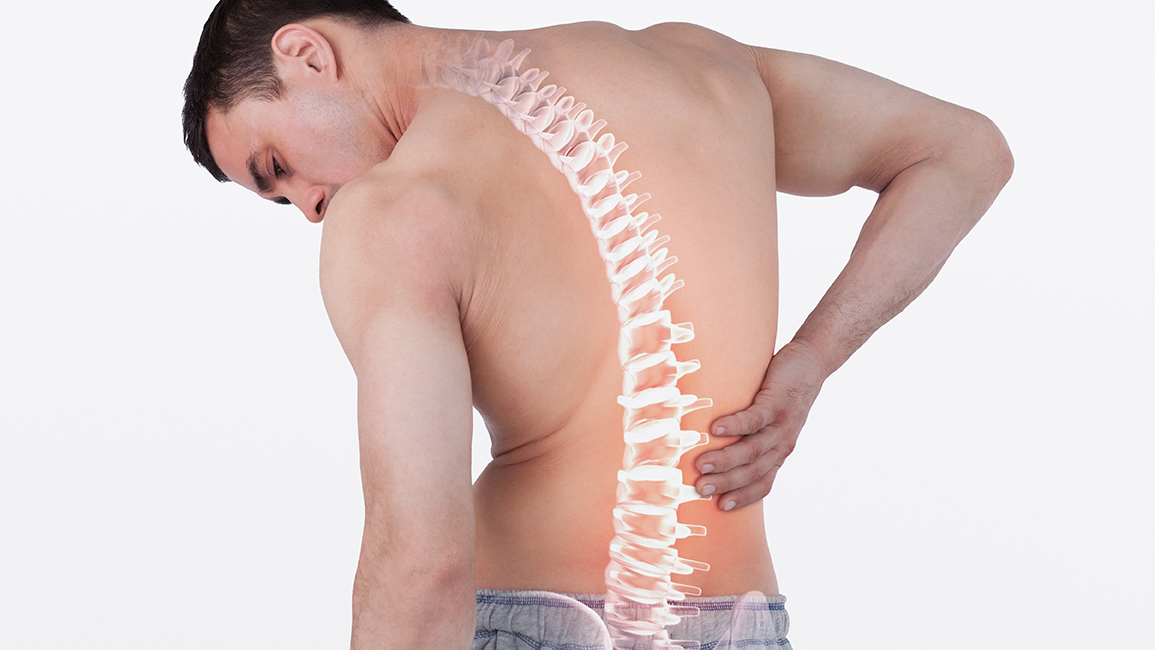
Scoliosis: Most often diagnosed in childhood or early adolescence
Center : Spine Center
Article by : Dr. Bordin Varodomvanichkul26 May 2025
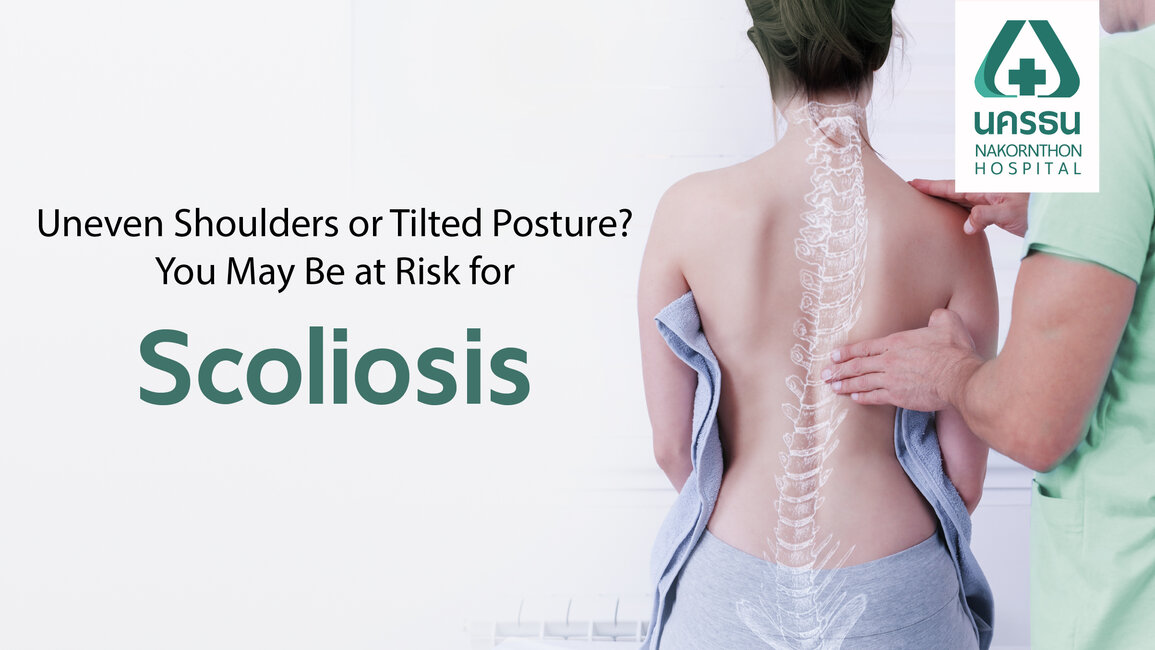
Have you ever noticed that your shoulders, or those of someone close to you are uneven in height or appear abnormally curved? These symptoms could be signs of scoliosis, a condition that can affect people from childhood through adulthood. If not properly treated, it can impact quality of life, causing chronic back pain, limited mobility, and risk of complications.
Parents should observe their children's body structure from an early age. If you notice yourself or those around you walking with a tilt, having uneven hips and shoulders, or a visibly curved or non-straight spine, you should seek medical attention promptly for scoliosis diagnosis and treatment planning to prevent the spinal curve from worsening.
For those concerned about the lengthy treatment time for scoliosis or its impact on quality of life, the Spine Center at Nakornthon Hospital offers specialized orthopedic physicians who will help create an appropriate treatment plan for you. Our comprehensive approach includes non-surgical treatments, surgical options when necessary, and physical therapy.
Table of Contents
Symptom of Scoliosis
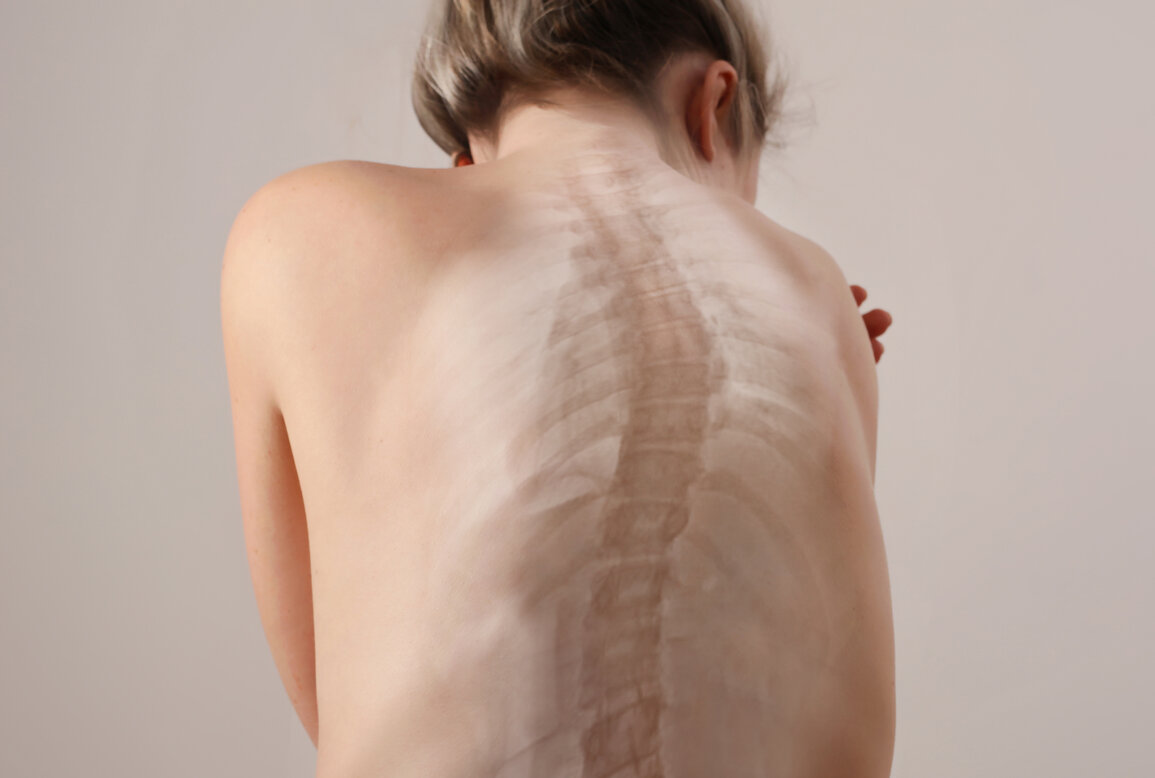
How to identify a curved spine? You can recognize scoliosis by these symptoms: uneven spinal alignment, uneven shoulder heights, asymmetrical collarbones, uneven prominence of shoulder blades, uneven waist indentations, uneven hip heights, and legs of different lengths.
As the condition becomes more severe, the spine not only curves to one side but may also rotate or twist. This can cause the ribs on one side to protrude more than the other, creating a visible hump on the back or causing the spine to bulge outward. If you notice any of these abnormalities, seek medical attention promptly.
The spine curve can occur in different regions, resulting in various types of scoliosis, such as thoracic scoliosis (affecting the upper back) or lumbar scoliosis (affecting the lower back). Understanding the scoliosis meaning and its progression helps patients make informed decisions about their care.
For related conditions like herniated disc, spondylosis, or sciatica, similar attention to symptoms is important. Advanced surgical procedures such as TLIF (transforaminal lumbar interbody fusion) may be considered for complex cases that don't respond to conservative management.
What Causes Scoliosis?
Scoliosis is a condition where the spine abnormally curves to the side, causing an irregular body shape that deviates from normal alignment. The causes of scoliosis can be categorized into several types:
Congenital Scoliosis
Congenital scoliosis, including lumbar scoliosis that affects the lower spine, is present from birth and can be caused by several factors:
- Abnormal formation and development of the spine during fetal development, when the embryo develops with spinal abnormalities
- Genetic factors that can manifest from infancy through adolescence, particularly during growth spurts between ages 10-18 years, which represents the age group with the highest incidence of scoliosis
Functional Scoliosis
This type stems from factors not directly related to spinal abnormalities. Instead, it may result from irregularities in other parts of the body, such as
- Leg length discrepancy
- Muscle spasms or tension
- Poor posture while standing or sitting
- Injuries from accidents
For mild scoliosis of this type, scoliosis exercises may be particularly effective as part of the scoliosis treatment plan.
Degenerative lumbar scoliosis
This type typically affects older adults and results from age-related changes in the spine after years of use. These changes cause spinal deformity and are often accompanied by chronic back pain. As the spine curve progresses, patients may experience symptoms similar to those with a herniated disc or spondylosis, potentially leading to sciatica in some cases.
Neuromuscular Scoliosis
These conditions affect the muscles that support the spine, causing weakness or improper coordination. This leads to imbalanced forces acting on the spine, resulting in deformity. Examples include:
- Muscular hypertrophy
- Atrophy of spinal muscles
- Tumors in the spinal region
- Spinal cord cavity disorders
In severe cases of thoracic scoliosis or other types of scoliosis, treatment options may include a scoliosis brace for moderate cases or scoliosis surgery, such as TLIF (Transforaminal Lumbar Interbody Fusion) for more progressive conditions.
Complications of Scoliosis
How painful is scoliosis, and is it dangerous? The severity and symptoms vary from person to person, but if the condition is left untreated, scoliosis can worsen and lead to complications such as
- Physical Effects: Severe scoliosis can restrict movement, cause uneven shoulders or hips leading to balance issues, abnormal rib protrusion, and a crooked waist and torso, and may impact physical activities or work requiring bodily movement.
- Respiratory and Cardiac Effects: Breathing problems may develop, including easy fatigue, pulmonary edema, long-term pneumonia, and potential heart strain that can lead to heart failure.
- Chronic Pain: Individuals with scoliosis often experience more chronic back pain than the general population, particularly lower back pain, mid-back pain, or hip discomfort due to the abnormal spinal alignment.
- Neurological Effects: Nerve compression may cause numbness or weakness in the arms and legs. In some cases, spinal cord compression can affect movement control, and herniated discs may simultaneously press on nerves.
How is Scoliosis treated?
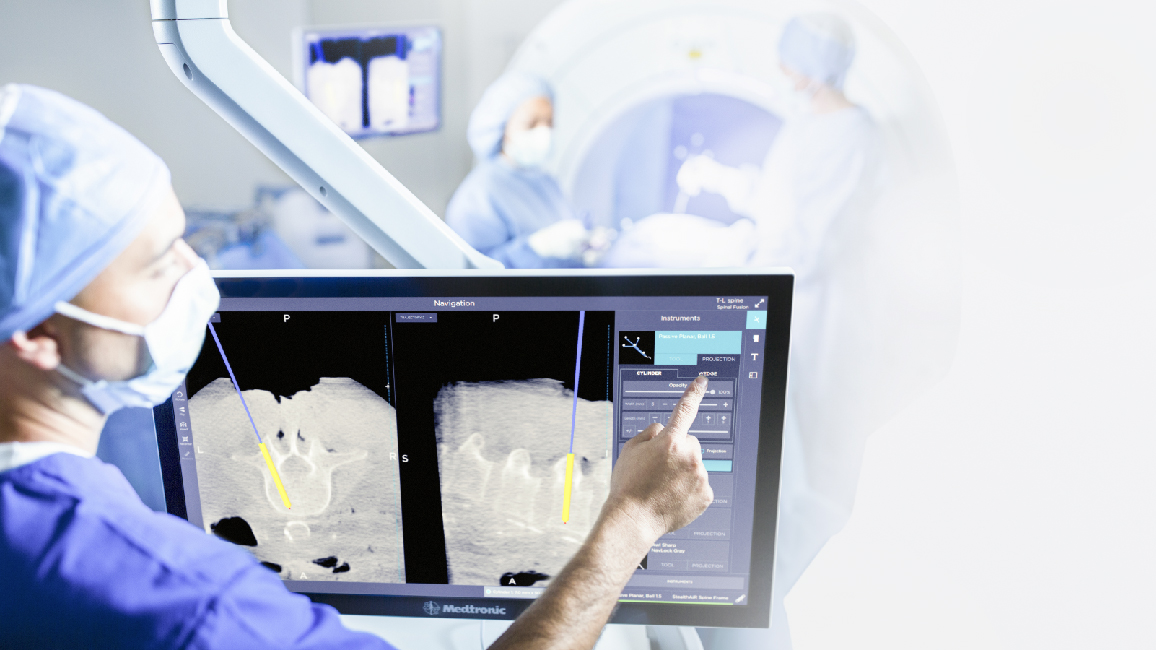
For treating scoliosis, the Spine Center at Nakornthon Hospital offers personalized treatment plans created by our medical team for each individual patient. We're equipped with modern technology and experienced medical professionals specializing in spine disorders. Current treatment approaches can be divided into two main categories:
Conservative scoliosis treatment
Non-surgical methods for treating scoliosis when the curvature is not severe include:
- For patients with spinal curves between 20-25 degrees, doctors recommend appropriate scoliosis exercises and physical therapy, with follow-up appointments every 6 months to 1 year to monitor changes in spinal alignment, depending on the patient's age.
- For patients with curves between 20-45 degrees, doctors recommend wearing a scoliosis brace for at least 20 hours per day until physical growth stops, to slow or prevent the curve from worsening. This type of thoracic scoliosis or lumbar scoliosis treatment is particularly effective for adolescents still growing.
Scoliosis Surgery
Doctors will consider spine surgery if other treatments fail to slow the progression of the condition or if the patient presents initially with severe scoliosis. Surgery is also indicated when patients experience severe pain or when scoliosis affects the nervous system, including cases that might lead to sciatica or other neurological complications.
Surgical intervention is typically recommended for patients with spinal curves greater than 40-45 degrees, as these patients often suffer from pain, breathing difficulties, and bodily structural changes that impact daily life. There's also a risk of increasing curvature that could affect internal organs such as the lungs or heart.
For scoliosis surgery, doctors use screws and metal rods to fuse the vertebrae together, correcting the spine to a straighter alignment. At Nakornthon Hospital's Spine Center, we enhance surgical efficiency using O-arm Navigation computer-guided technology that increases precision in screw placement. This system displays the surgical area in 3D throughout the procedure, increasing placement accuracy to 99% and significantly improving safety and outcomes for all types of scoliosis.

Scoliosis Spinal Surgery and Treatment at Nakornthon Hospital
Scoliosis requires careful observation, screening, and if spine deformity is confirmed, consistent treatment and follow-up. Receiving appropriate treatment at the right time can help patients return to near-normal condition.
At Nakornthon Hospital's Spine Center, we have a team of specialized spine surgeons who provide consultation, diagnosis, and treatment from the earliest symptoms through to severe cases requiring surgery. Our center is equipped with cutting-edge surgical technology offering precision, safety, and advanced postoperative pain management techniques to ensure optimal outcomes.
The international patient services at Nakornthon Hospital ensure seamless care with multilingual staff, efficient appointment scheduling, and streamlined admission processes. Our accelerated recovery protocols mean patients can return to their daily activities sooner, with follow-up care that fits busy expatriate lifestyles.
For more information, please contact:
- - Website : /en
- - Facebook : Nakornthon Hospital - International Patient
- - Line : @nakornthoninter
- - Tel: 02-450-9999 (Available 24 hours)

Free Online Consultation
Medical Team Spine Center

Dr. Win Theerapancharoen
Spine Center
Neurological Surgery|Interventional Neuroradiology
Make an Appointment